Many of us have noted the increased heat and humidity of British summers over the last few years due to climate change. The government’s commitment to green initiatives and achieving net zero by 2050 are an acknowledgement of the need to implement wide-spread change that will protect the future of this country and the planet.
The need to address the climate crisis, such as switching to electric vehicles, makes the recent case of Charge My Street Ltd v HMRC [2026] UKFTT 318 (TCC) pertinent.
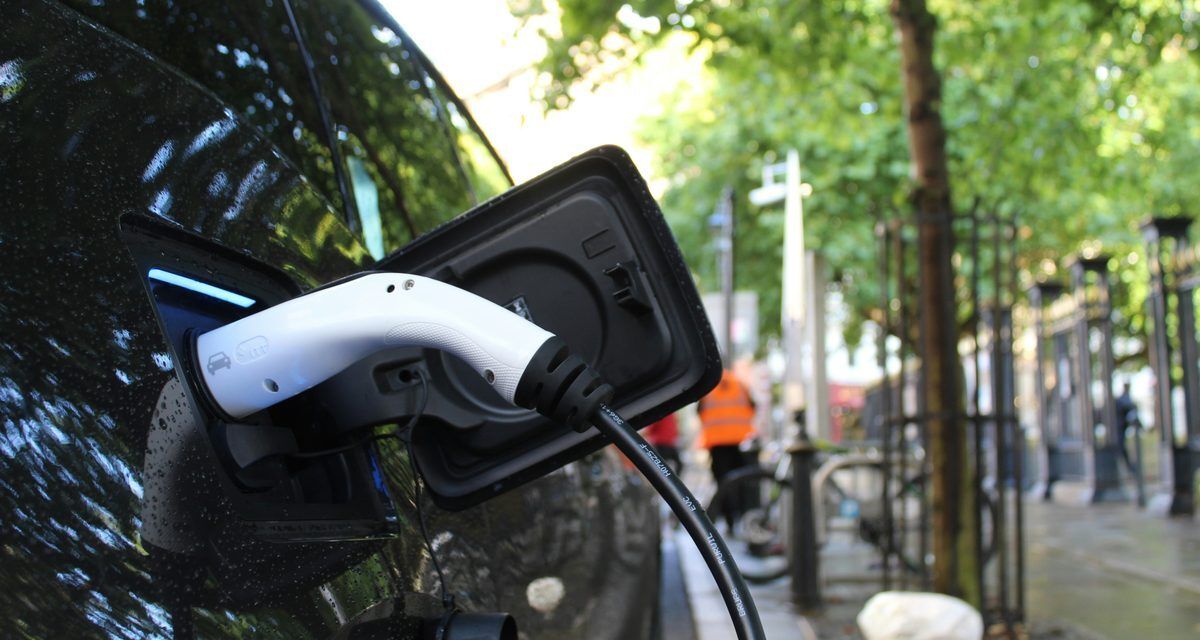
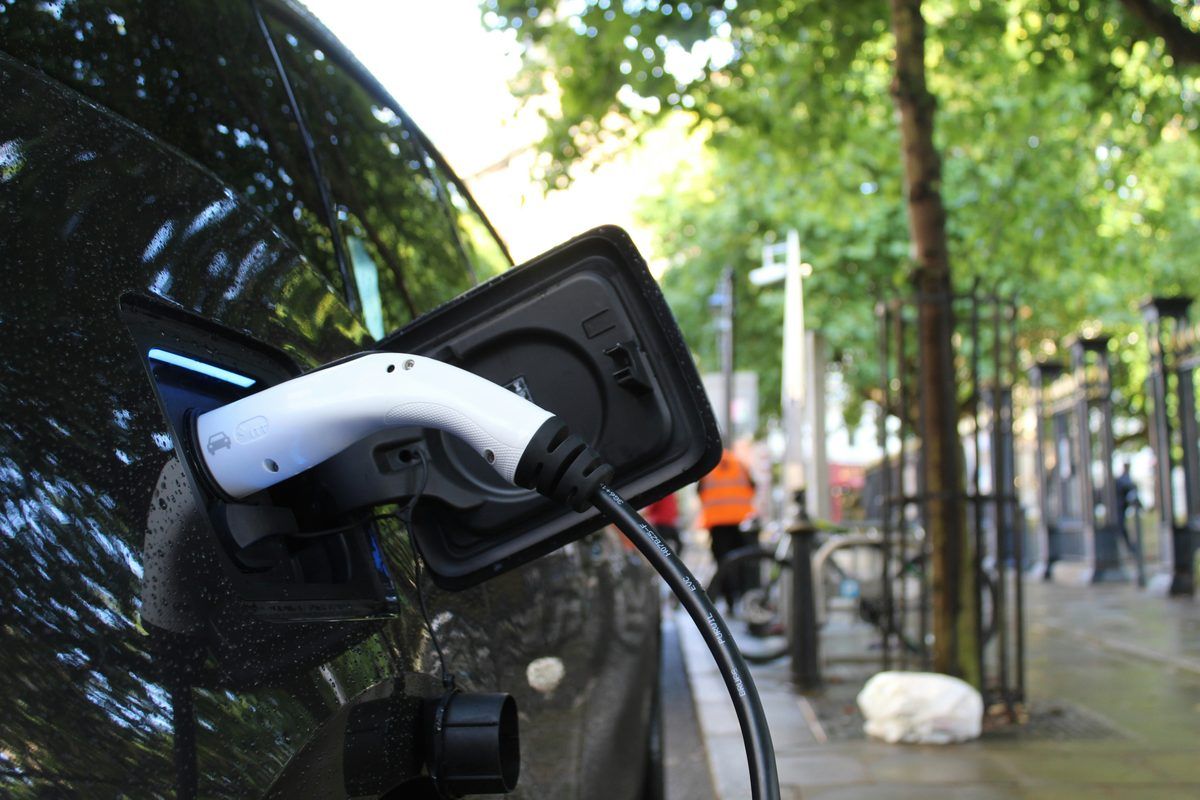
Charge My Street Ltd (CMS) is the UK’s first community-owned electric vehicle charge point operator, setting up charging points in places like rural areas and where residents would not be able to charge their cars from their home. By increasing the prevalence of charging points, CMS facilitates the use of electric cars and their positive environmental impact.
The point of dispute between CMS and HMRC was whether supplies of electricity from these charging points should be subject to standard rate (20%) or the reduced rate (5%).
Under the Value Added Tax Act 1994 (VATA), Schedule 7A, Group 1, Note 5 supplies made for ‘domestic use’ will be charged at the reduced rate.
Note 5(g) specifically refers to the supply of electricity, and states the reduced rate will apply when:
‘a supply of electricity to a person at any premises where the electricity (together with any other electricity provided to him at the premises by the same supplier) was not provided at a rate exceeding 1000 kilowatt hours a month.’
HMRC argued that ‘to a person at any premises’ referred specifically to a building which the person has some kind of right or interest in. Thus, public charging points should be subject to standard VAT as they are neither buildings nor the driver’s premises.
CMS argued ‘to a person at any premises’ should be interpreted in line with the words’ ordinary meaning and refer to a person at any identifiable area, including a charging station in a car park. According to CMS, their charging stations would fall under supplies for ‘domestic use’ and qualify for the reduced rate.
The First Tier Tax Tribunal (FTT) agreed with CMS’ interpretation of Note 5(g), holding that public charging stations can be subject to the reduced VAT rate. This is a significant decision that has the potential to encourage more people to switch to electric cars, especially if they do not have the ability to charge their car at home.
Yet the future of VAT treatment for charging stations remains uncertain. The FTT did not conclude whether only some or all of the supplies made by CMS fell under Note 5(g).
This is because some drivers used third-party app providers which allowed them to pay for electricity from CMS’ charging stations. In these cases, the FTT found that CMS provides the electricity to these third-party apps who then provide it to the driver. Crucially, the FTT did not have the information to decide if those supplies fell below the 1000 kilowatt hours a month threshold.
Currently, the standard rate still applies when using public charging stations. The ambiguity left in the FTT’s judgment means the future of VAT rates for public charging stations is uncertain. It will be fascinating to see how this case unfolds and what the eventual impact on the adoption of electric cars will be.
Until then, we are left to enjoy our summer.

Arshiya Inayat is a Senior Analyst at Deloitte. She was Called to the Bar and received a Certificate of Honour from Middle Temple in April 2026.