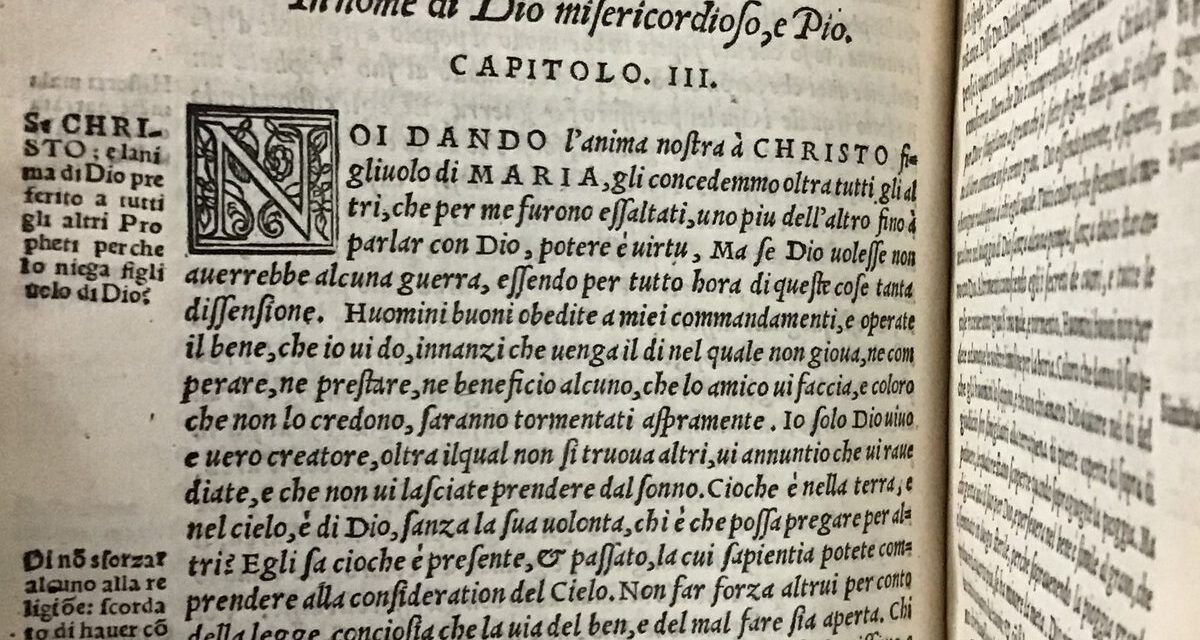
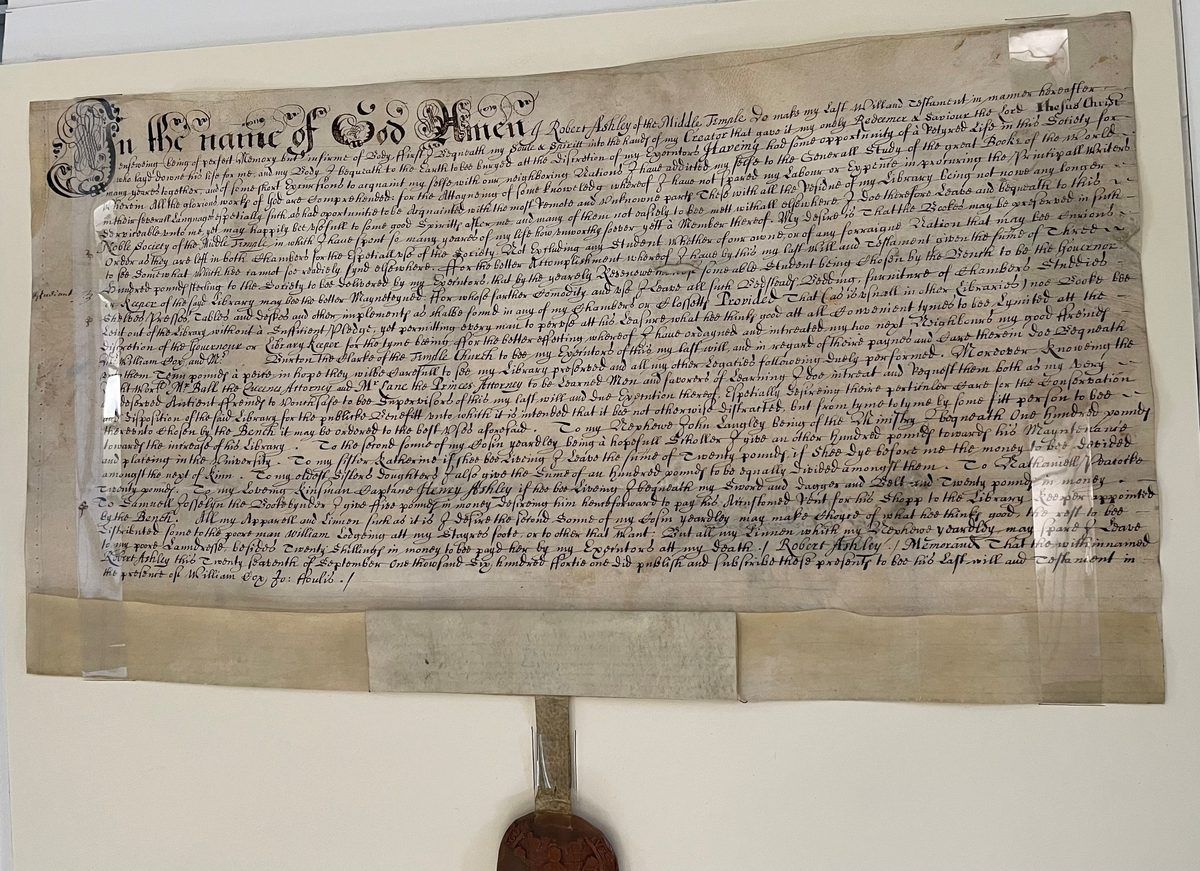
One of our most under-appreciated but intriguing treasures is the founding collection of Robert Ashley. I wonder how many of us realise that it is not the same place or thing as the Middle Temple library.
It is a collection built out of curiosity, fascination, a desire to learn and a love of rare books.
The library was assembled by Robert Ashley, an enthusiastic collector with a wide-ranging interest in unusual and early printed works. Rather than focusing on law, he gathered books on subjects as varied as religion, early science, folklore, and even witchcraft and the occult. The result is a collection that is less of a conventional library and more like a window into the intellectual world of past centuries.
This personal, almost eccentric quality is essential to understanding and appreciating the Ashley Collection.
Renae Satterley, Head of the Library, has recently published a study of the collection in her new book, The Great Book of the World. She describes it as a ‘collector’s library’: a reflection of one individual’s interests rather than a carefully planned institutional resource. In other words, the library is not the books it contains, but it is an insight into the person who gathered them and the culture of building a collection.
One of the fascinating aspects of the Ashley Collection is the nature of the books themselves. At first glance, works on astrology, demonology, or early medicine might seem far removed from the serious business of the law. As Renae’s book suggests, these texts offer valuable insights into how people once understood elusive concepts of truth, evidence, and authority—ideas that still sit at the heart of legal thinking today. What may appear curious or obscure now was, in its time, part of mainstream attempts to explain the world.
She also encourages us to see the library not just as a set of books, but as a historical object in its own right. The way the collection was assembled—its range, its themes, and even its quirks—reflects a particular moment in the history of book collecting.
Collectors did not simply gather useful texts; they looked for rare, unusual, and beautiful works that captured the broadest extent of human learning. In that sense, the Ashley Collection is as much about the history of building a collection as it is about the books themselves.
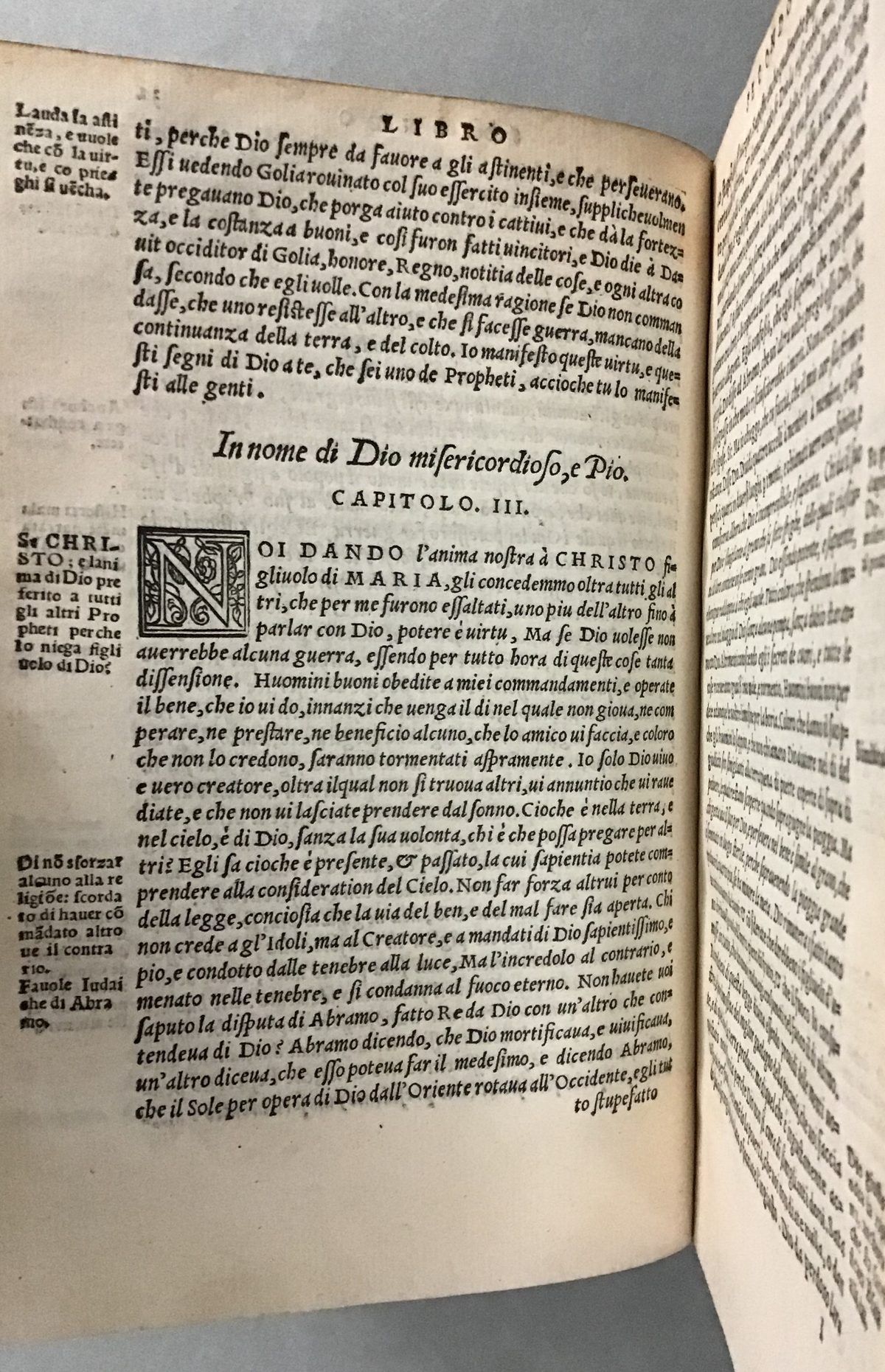
Its presence within the Inn adds another layer of significance. Middle Temple has always been more than a professional body with a law library; it is a community with deep cultural and intellectual traditions. The Ashley Collection reflects this broader role. Alongside the serious work of legal training and practice, it stands as a reminder that the law has long been connected to wider learning in the humanities.
Today, the Ashley Collection continues to attract interest from scholars, historians, and anyone curious about the history of ideas. Although its rare materials mean access is controlled, its importance is widely recognised. It offers a glimpse into a time when the boundaries between disciplines were more fluid, and when a lawyer’s education might include an engagement with everything from classical texts to early scientific theories.
We do not take advantage of having such an extraordinary collection on our doorstep.
It is a reminder that the law is rooted in a broader cultural and intellectual world. As Renae’s book makes clear, the collection is not just about preserving old books—it is about preserving a spirit of inquiry, imagination, and intellectual breadth that continues to enrich the legal profession today.

Maura McGowan was appointed as a High Court Judge in October 2014. She took silk in 2001 and was Chair of the Bar Council of England and Wales in 2013. She is a Bencher of Middle Temple and was Treasurer in 2022.