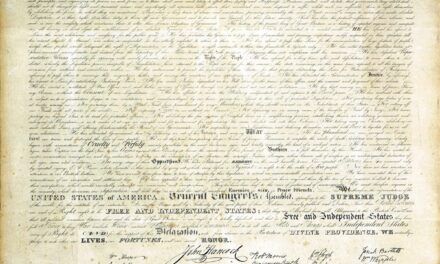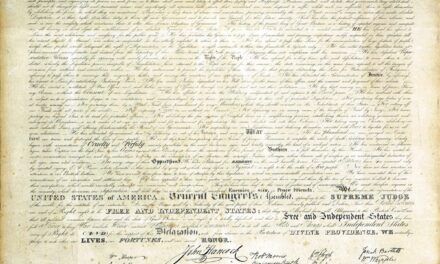
The legal history of the British Empire is often narrated through institutions and doctrines. Yet, some of its most compelling dimensions emerge through the lives of individuals and families whose engagement with the law spanned jurisdictions and generations. This article traces one such lineage beginning with Mussamat Khanzadi Begum of the erstwhile Khanpur estate in the north Indian city of Bulandshahr, who fought a legal battle for her rights before the Judicial Committee of the Privy Council in 1870, and extending to her grandson, Abdul Kadir Khan, who was Called to the Bar by The Honourable Society of the Middle Temple in 1897.
Khanpur Estate and the aftermath of the Revolt of 1857
Mussamat Khanzadi Begum belonged to a landholding Muslim family (large landholders were called ‘Taluqdars’) associated with the Khanpur estate, the administrative headquarters of Barah Basti, which is a group of twelve villages of Pashtun tribes situated in the Bulandshahr District of the North-Western Provinces (now the State of Uttar Pradesh). Her ancestors served as Mansabdars (high ranking nobles) during the reign of Mughal Emperor Jahangir in the early 17th Century. The events of the Revolt of 1857 profoundly altered the legal and proprietary landscape of the region. As an aftermath, certain legislations were enacted as a crackdown measure, whereby estates of individuals involved directly or indirectly with the mutiny were subjected to seizure and administrative redistribution.
Khanzadi Begum’s brother, Abdul Latif Khan, and uncle, Azim Khan (along with his only son Haji Munir Khan) were convicted on charges of mutiny. Consequently, their estate was confiscated under the Forfeiture Act 1857. Within this context, Khanzadi Begum, who had not partaken in the mutiny, had a pre-existing unsettled claim in her now confiscated family estate, and despite her recognised status within the family, her proprietary rights were either disregarded or reduced to a limited claim for maintenance, reflecting the broader marginalisation of women’s inheritance rights in practice, notwithstanding their recognition under Muslim personal law.
Litigation and the assertion of rights
Khanzadi Begum’s response was neither passive nor peripheral. Over the course of nearly a decade (1860-70), she pursued her claim through multiple legal fora. While early proceedings yielded partial recognition at one stage resulting in an award of five villages comparable to that granted to her sister, such determinations were not consistently honoured in execution.
A critical turning point arose in 1862 when the then Lieutenant Governor of the North-Western Provinces, Sir George Frederick Edmonstone KCB, intervened to set aside her entitlement through executive action. This raised a fundamental legal question: whether administrative authority could override a judicial determination?
The matter ultimately came before the High Court of the North-Western Provinces in 1866, which ruled in Khanzadi Begum’s favour, thereby affirming her proprietary rights. The government then appealed to the Judicial Committee of the Privy Council. In its decision of Tuesday, 1 March 1870, the Privy Council dismissed the appeal and upheld the High Court’s decree in her favour, holding in clear terms that the government’s position was untenable. The judgment affirmed that executive action could not displace rights established through due judicial process.
Khanzadi Begum was thereby restored possession of five villages (Basi, Nizampur, Farida, Mubarikpur and Bharkaun) in her family’s erstwhile estate, together with costs of litigation. More significantly, the case stands as an early affirmation, within the colonial legal order, of the principle that the state is subject to law.
Intertwined legacies
However, interestingly, as fate would have it, this legal legacy extended beyond litigation. It continued through Khanzadi Begum’s family, forming a bridge between legal assertion and professional engagement with the law. Her grandson, Abdul Kadir Khan went on to become a barrister. Thus, within two generations, the trajectory moved from challenging the arbitrariness of colonial authorities before the highest court of the empire, to participating within the institutional framework of English common law itself.
Abdul Kadir Khan and the Middle Temple
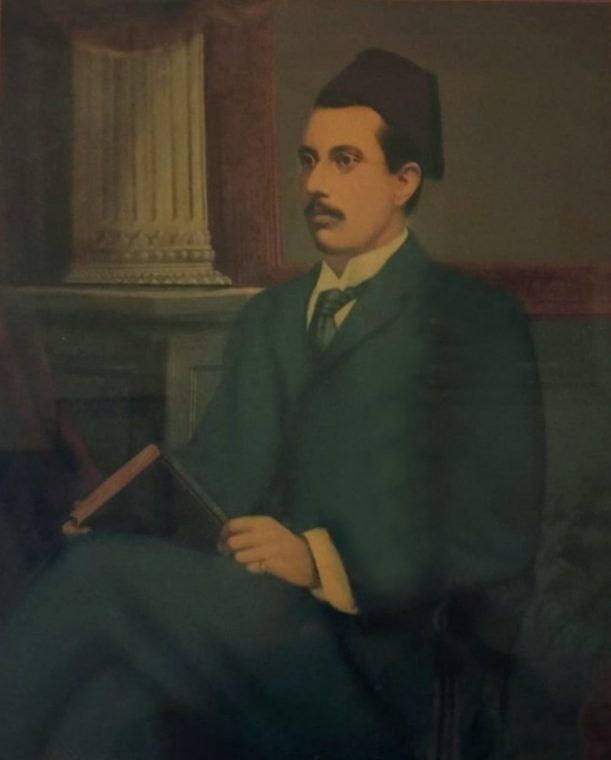
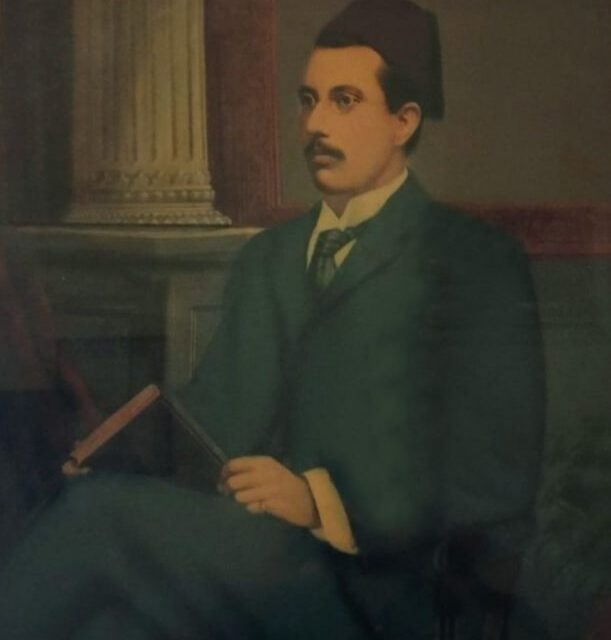
Abdul Kadir Khan’s initial education happened at Agra College of Allahabad University. Thereafter, he proceeded to England to undergo training as a barrister. Subsequently, he was admitted to The Honourable Society of the Middle Temple and was Called to the Bar in 1897, at a time when increasing numbers of Indians were seeking legal education in England. His contemporary at the Middle Temple was Hussain Tyabji (son of Badruddin Tyabji, one of the earliest Indian Barristers and Judges who served as the President of Indian National Congress). For such individuals, admission to the Inns of Court represented not only professional qualification but also entry into a transnational legal culture. He was amongst the earliest barristers from the north Indian region of Meerut and went on to establish a distinguished legal career. He was associated with the Allahabad High Court and served as a Government Pleader before both the High Court and the subordinate courts at Meerut, reflecting a position of considerable responsibility within the colonial legal system.
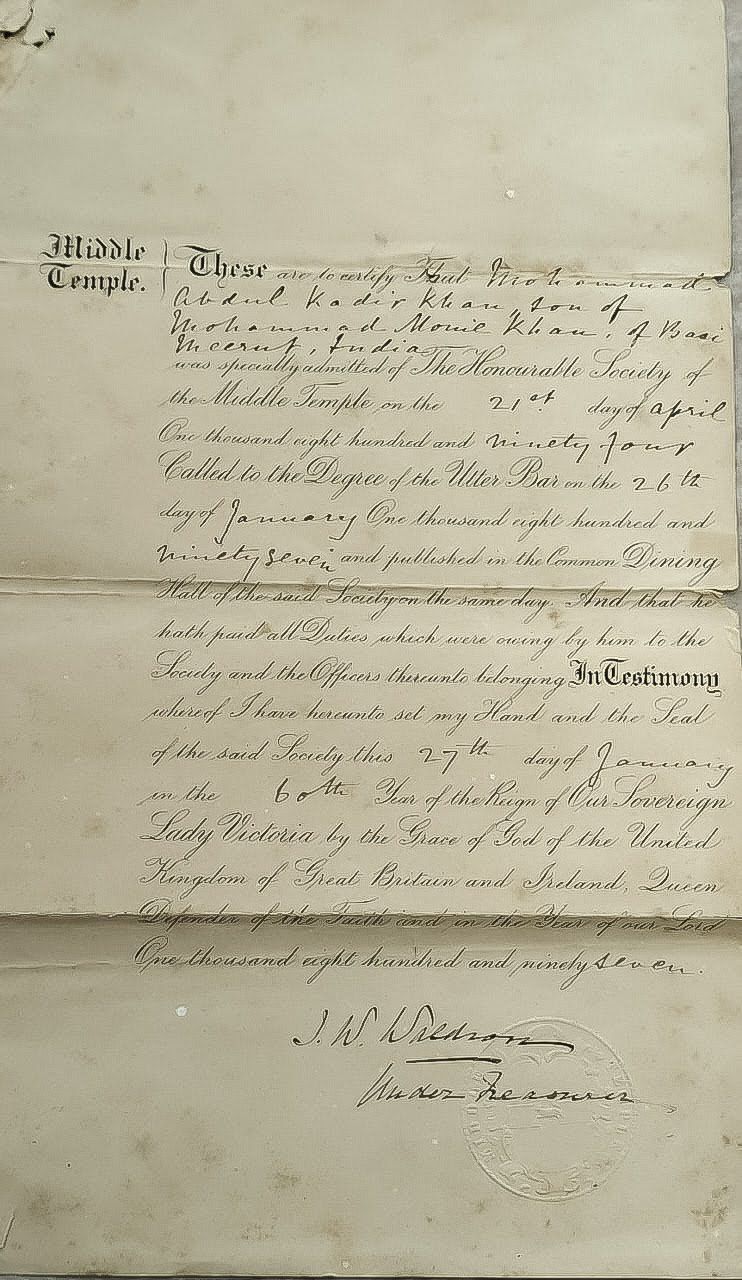
Abdul Kadir Khan’s career extended beyond the confines of formal legal practice, well into the intellectual and institutional life of late 19th Century Britain. He practised as a barrister at Imperial Chambers in Liverpool. During this time, he became associated with the Liverpool Muslim Institute, established under the leadership of solicitor Abdullah Quilliam, who was also the founder of Association of British Muslims, Britain’s oldest Muslim organisation. The institute represented one of the earliest organised expressions of Muslim social life in Britain, incorporating a mosque, educational programmes, and a range of literary and social initiatives. Abdul Kadir Khan contributed to the institute’s educational activities, particularly through the teaching of Arabic, Urdu, and Persian. His role may be understood as that of a linguistic and intellectual who fostered dialogue and cooperation between Muslims and other communities in Britain’s social life. As such, he participated in a wider culture of public instruction and inter-cultural exchange characterising the institute’s work, which included educational, literary and other community initiatives. Abdul Kadir Khan’s involvement in this environment illustrates the manner in which legally trained individuals from British India engaged with, and contributed to, emerging forms of civic life beyond their own country. Thus, his career offers a valuable example of the intersection between legal education at the Inns of Court and broader currents of intellectual and social engagement across the British Empire.
Significance of a lasting legacy
Taken together, the lives of Mussamat Khanzadi Begum and Abdul Kadir Khan illustrate the transnational character of socio-legal history of the British Empire. Their experiences span the assertion of rights in British India, adjudication at the imperial heart of London, and participation in the legal and social institutions of Britain. It reflects the ways in which English common law and imperial institutions created a lasting impact on communities and individuals across the Empire. Moreover, it also reveals how principles laid down in courtrooms were shaped, contested, and carried through lived experiences. For The Honourable Society of the Middle Temple, such histories form part of a wider and evolving global inheritance, and underscore the enduring connections between jurisdictions and the individuals who navigated them, thus contributing to our shared history.
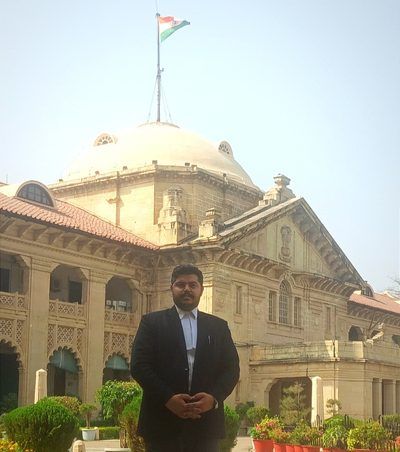
Musa Munir Khan is an Advocate at the High Court of Delhi, a national-level shotgun shooter, and a columnist whose work explores legal history, cultural heritage and social issues. His research on his ancestral legacy has received recognition from the Ministry of Culture, Government of India, and the Government of Uttar Pradesh. He has delivered talks at various academic institutions and has contributed to national and international publications. He is a descendant of Mussamat Khanzadi Begum and Abdul Kadir Khan, Barrister-at-Law.