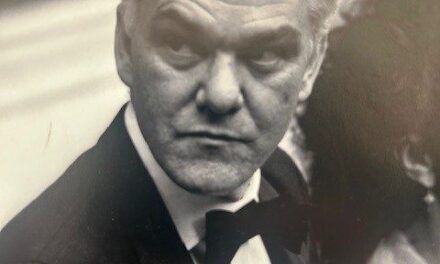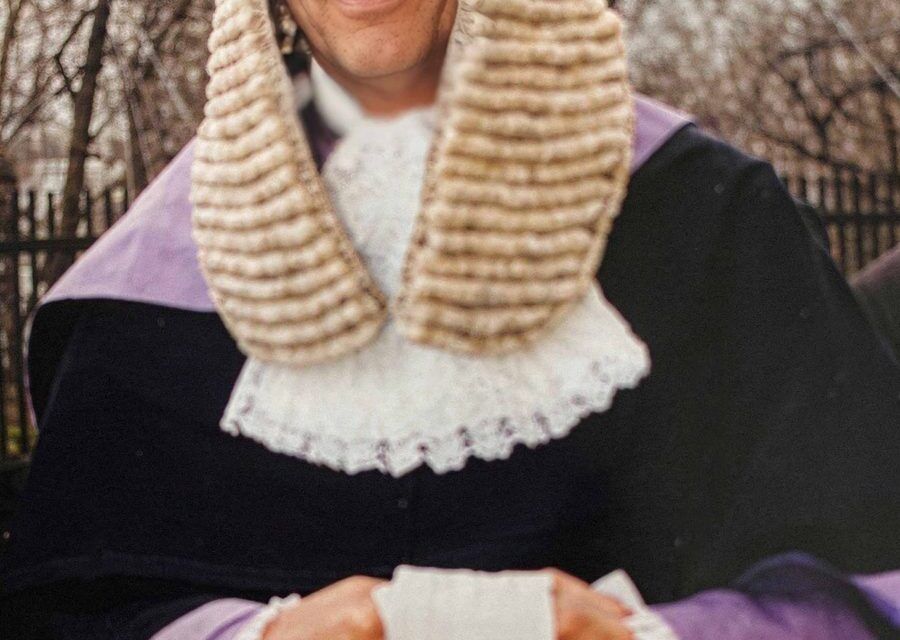
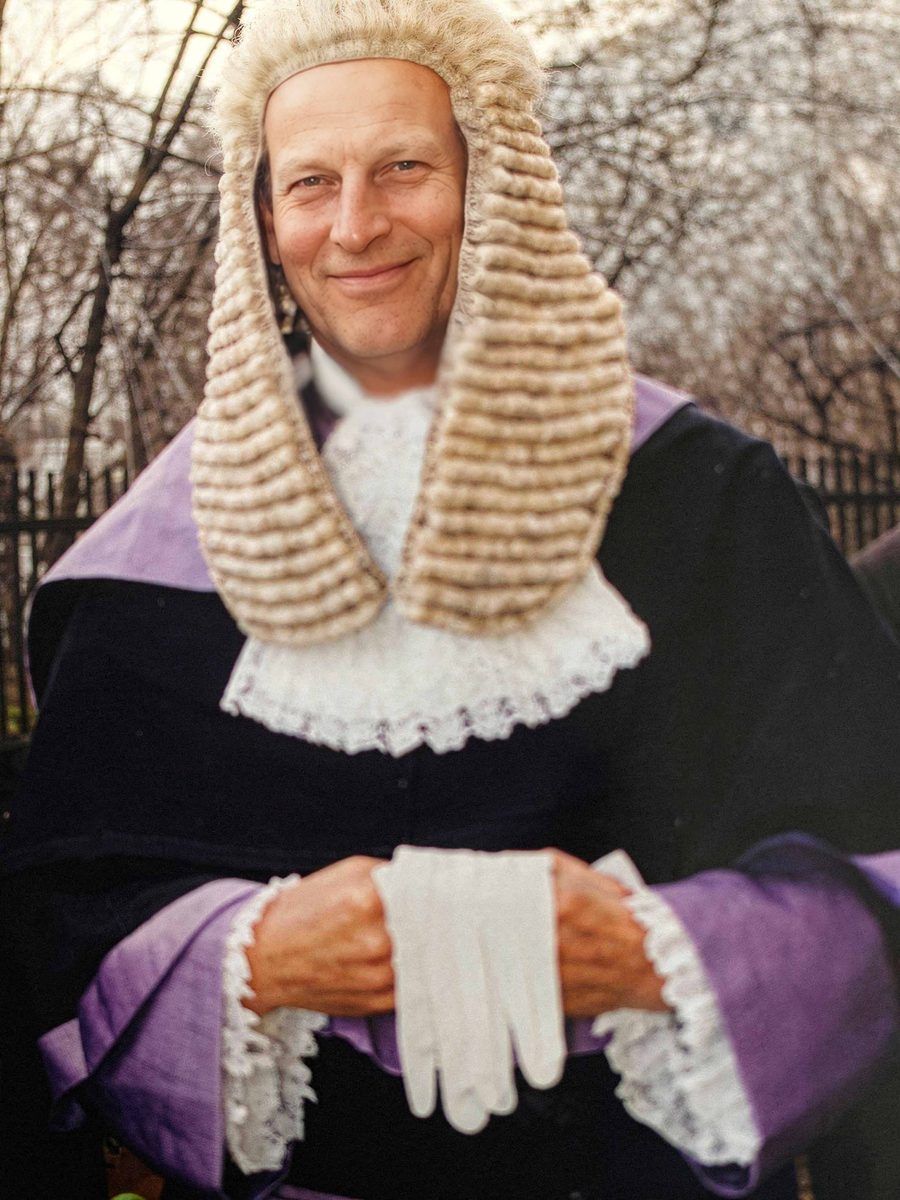
Jeremy Connor was born on Wednesday 14 December 1938 in Crowborough, where his father was a successful builder of houses and churches. His mother was one of the first women to be admitted to study at the Royal College of Art. He was educated at Beaumont, a Jesuit public school in Old Windsor which saw itself as the Catholic Eton. He went on to read law at University College, London. Jeremy was Called in 1961 and in 1962 began his pupillage. He embarked on his career at a criminal Bar which would be unrecognizable today. There were only four members of his chambers. The clerk was a former lay client of one member, who had represented him at his trial. There were six courts at the Old Bailey and five at Inner London Sessions. Jeremy took to the work with boundless enthusiasm. He understood the notion of knowing one’s tribunal. Quite apart from coping with the nuances of what we would now call ‘legendary’ judges who ran their courts however they liked, he would arrive at a magistrates’ court early and question the clerk about the attitude of the lay bench (‘which one is the hard one?’).
In 1979, when still only 40, he became a stipendiary magistrate. During the next 17 years he discharged his duty with a strong sense of justice. He quickly became actively involved in causes that sought to help people lead lives that did not include crime. He was Chairman of the Inner London Youth Courts for 16 years, Chairman of the Family Proceedings Court, President of the British Academy of Forensic Science, and Chairman of the Institute for the Study of Treatment of Delinquency (now the Centre for Crime and Justice Studies). He was involved in the Stapleford Trust for Drug Treatment and in the Rayner Foundation (which assists young people who want to cycle race in Europe on how to set up home and function on a day-to-day basis) and he was deeply involved in the Inner London and City Probation Committee.
This extensive commitment was specially noted both in the sermon of the priest at his funeral and in the obituary which appeared in The Guardian. It exemplified his concern for justice and the need to find other ways to deal with young offenders.
In 1996 he became a Circuit Judge, sitting at Wood Green and at Middlesex Crown Courts. As a practitioner, his lay clients had loved him; as a judge, barristers looked forward to appearing in front of him. A former colleague has cited his ‘quick-wittedness, tact, sense of humour and an innate sense of fairness’. The sermon and the obituary rightly add to that list of qualities, clearsighted, just, merciful, articulate, approachable, and highly principled. As a judge he was a member of the Parole Board and of the Judicial Studies Board and he contributed to Archbold. He added the Association of Blind Catholics to his charities. As a Freeman of the City of London, he became a member of the Fan Makers’ Company and was Master in 2007-8. That involved him in their charitable activities, which include the arts, education and health and welfare. In addition, he was a Patron of the Highgate Newtown Community Centre, where local people of all ages can benefit from activities to improve well-being, including arts and crafts, cooking, sports and fitness, learning, and help for mothers and young children.
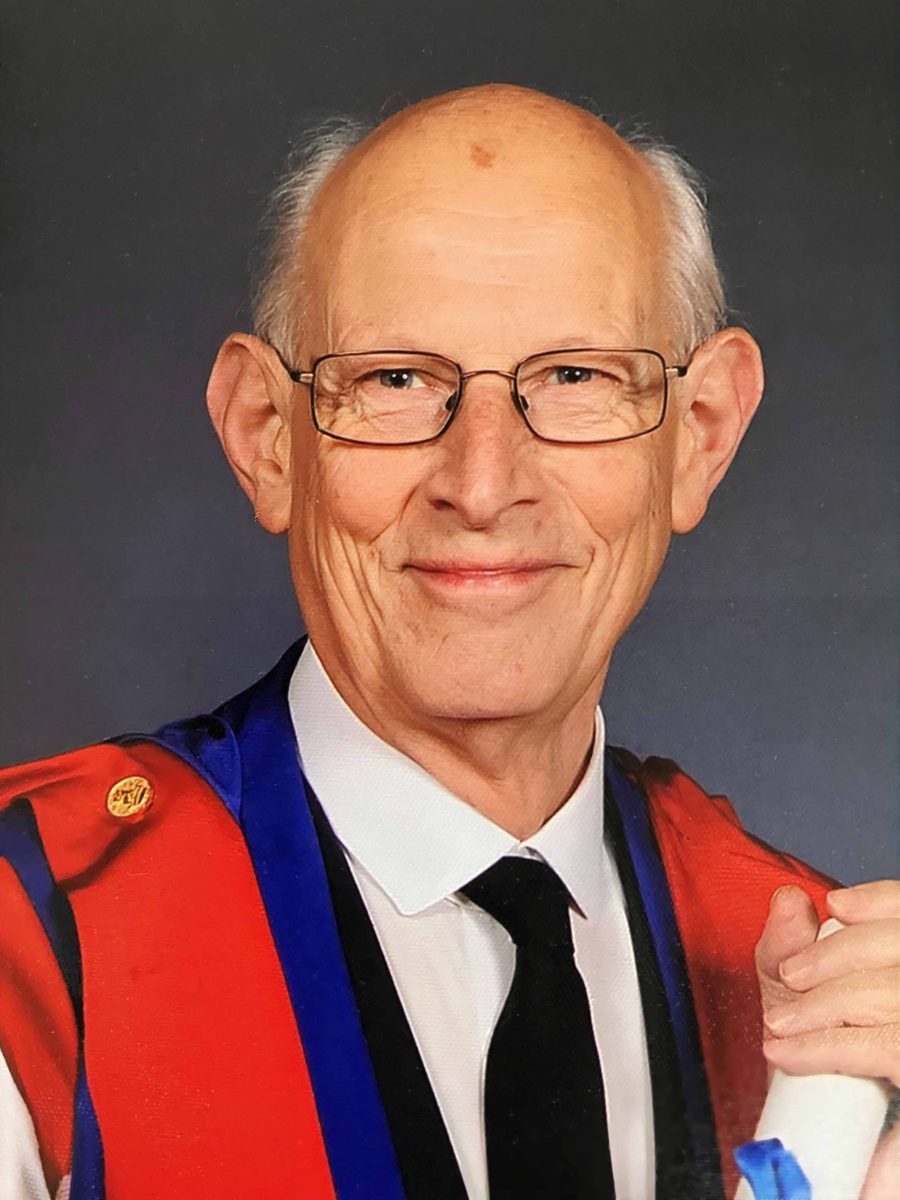
Throughout his life he indulged his passion for cars. By one estimate, he owned, in turn, over time, two Morgans, a Porsche, seven Lotuses, three Rolls Royces, five Minis and six Fiat 500s, amongst others. He preferred living in central London. As a bachelor, he took up residence at the Regent Palace Hotel for five years. Later he moved to more comfortable residences, first in Bloomsbury and then into a spacious and elegant house in Regent’s Park. He lived there with his civil partner, Professor Peter Lantos, an expert in neurodegenerative diseases who came to this country from Hungary and became professor of neuropathology at the Institute of Psychiatry at King’s College, London. They were together for 55 years. At both homes they were generous hosts to their many friends and colleagues, at parties and at splendid dinners for which Peter did the cooking. Both were keen travelers. Peter converted him to exploring Europe which they did extensively.
In 2004 he retired from the Bench, but hardly from life. He embarked on a doctorate in theology. He received an MA from Heythrop College (which had strong Roman Catholic connections) and his Doctorate of Theology from King’s College, London in 2011. In the Inn, he was the Lent 2018 Reader. He took to that task with characteristic enthusiasm. He was eager to support the students and to meet them, and travelled round the country from Northumbria to Cardiff, where Middle Temple students were taking their Bar course at the out of London providers. Afterwards, he wrote that being Reader was ‘just a small opportunity to pay back a small contribution for the lucky practice I had’. The Inn was important to Jeremy throughout his sixty-odd year connection to it. He established the Connor Scholarship for students who were at University College London.
His interest in helping and his generosity towards students is brilliantly illustrated by the experience of one student, who told me:
He became one of the most important mentors of my life. Throughout my studies he offered encouragement, guidance and practical support. Whenever he sensed I was struggling, he would quietly find a way to help. Jeremy’s generosity often eased burdens few others even know existed. What made Jeremy so remarkable was that he never made you feel like a charity case or that you owed him anything. He gave because he genuinely cared. He believed in people, often before they fully believed in themselves.
When the student decided to use their legal training in work other than at the Bar, ‘Jeremy never questioned my choices. He simply took an interest in whatever I was doing and encouraged me to pursue it with integrity and commitment. He was still investing in the future of others. He was kind, generous, wise, endlessly interested in others and always ready with a smile. He made people feel seen, valued and capable. I feel profoundly blessed to have known him.’
When Jeremy Connor died, his funeral was at St. James’s, Marylebone, the church where he regularly worshipped. As was his wish, there was a full Latin Mass and the Mozart Requiem.
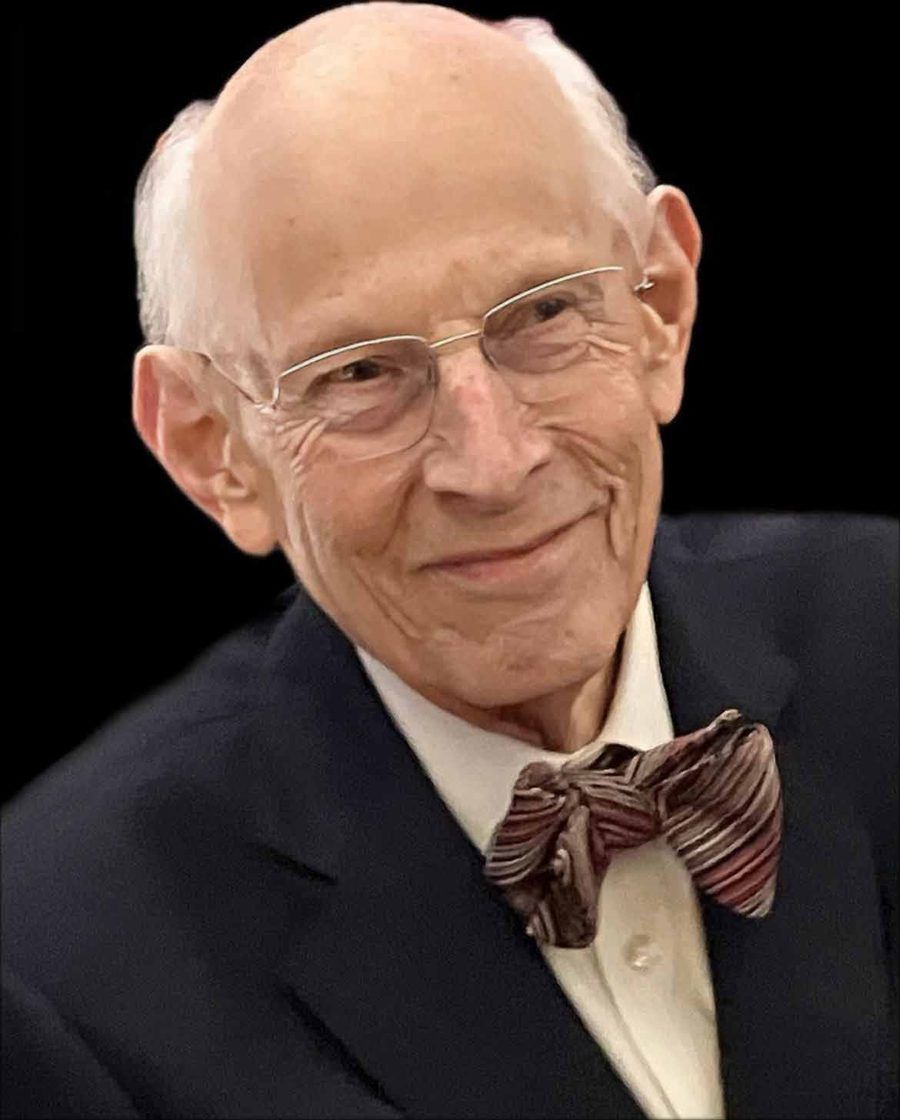
Obituary kindly written by Master David Wurtzel.