Shortly after I saw my name on the new silks list published by the KCA in January, I received an email from Middle Temple asking me whether I could replace a member of the scholarship interviewing panel who had had to drop out. I suspect the two events were not unconnected. If so, the Inn was right to think at that time I might be reflecting on my own journey to silk, which began with Middle Temple awarding me a Diplock scholarship and Blackstone Entrance Exhibition in 2001. Of course, there was a prior decision to attempt to become a barrister, but the scholarship award remains pivotal. I still remember the interview, presided over by the late Master Paul Jenkins. When I garbled my first answer, he had no difficulty allowing me to take my time and start it again. Unlike today’s regimented interview structure where all candidates are asked the same questions, the panel seemed to range over whatever topics took their fancy, from the merits of the UK’s unwritten constitution to Caribbean poetry (the subject of my undergraduate dissertation). A few weeks later, I received a letter from the Deputy Under Treasurer conveying the good news. I still have the letter.
The scholarship represented more than money, though an award of £11,000 in 2001, which more than covered the entire cost of my fees for the Bar Vocational Course, was both unexpected and generous. The scholarship was a validation of my decision to try to become a barrister. The statistics were not encouraging. I had attended a northern red brick university, (Liverpool) not Oxbridge. I had heard several voices of discouragement, telling me how difficult it would be from that platform to secure a tenancy in a leading set of family law chambers, which was my ambition. Then, as now, Middle Temple was known for the number of scholarships awarded and the breadth of candidates who received awards. With other Inns, with fewer scholarships on offer, it seemed like the anointment of the chosen few who had followed a distinct and well-trodden path.
Applying for pupillage with a Middle Temple scholarship in my back pocket was a source of confidence to me, and a signal to the sets of chambers I was applying to that here was someone whose application was to be taken seriously. An offer of pupillage at the chambers of Florence Baron QC at Queen Elizabeth Building followed. I joined chambers as one of five pupils on Tuesday 1 October 2002 and in July the next year, after nine occasionally gruelling months, I was offered a tenancy. I received a handwritten letter from Master Jenkins congratulating me on the news. QEB has been my professional home ever since and I consider myself lucky and privileged to have spent two decades and counting there.
The experience of interviewing this year was a salutary reminder of the dedication and enthusiasm of the students. There were not many clear ‘no’s’ and very many high-achieving candidates from a range of backgrounds who were utterly committed to the Bar. I did not find it easy to sift and identify a list of those who were to be successful.
What the vast majority of applicants shared was an alarming level of debt set out in bleak detail in their finance forms. I had been in the last cohort of undergraduates to have our tuition costs funded by the state. Student loans were needed to meet living costs whilst at university. Now every aspect needs to be funded by the student, with debt well in excess of £70,000 being a common sight on the finance forms submitted. I ended my stint interviewing feeling that scholarships are even more important now than they had been for me 25 years ago. While they continue to be a source of prestige and validation, they are also the only way to make the Bar course financially viable for many of the most able applicants.
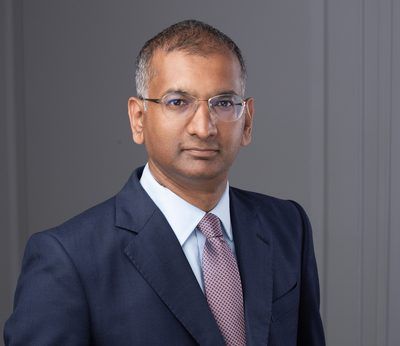
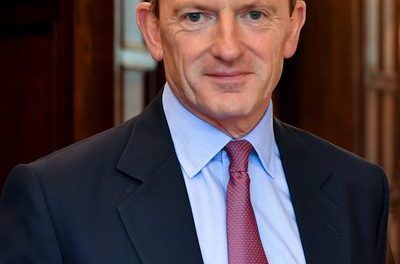
Morgan Sirikanda KC focuses on all aspects of financial work in the field of family law, with an emphasis on matrimonial finance cases. He also regularly advises in property disputes between unmarried couples and applications for financial provision for children. In 2019, Morgan was appointed as a Recorder (Family). Morgan regularly sits as a private evaluator in out-of-court Financial Dispute Resolution hearings and he is a qualified IFLA arbitrator.