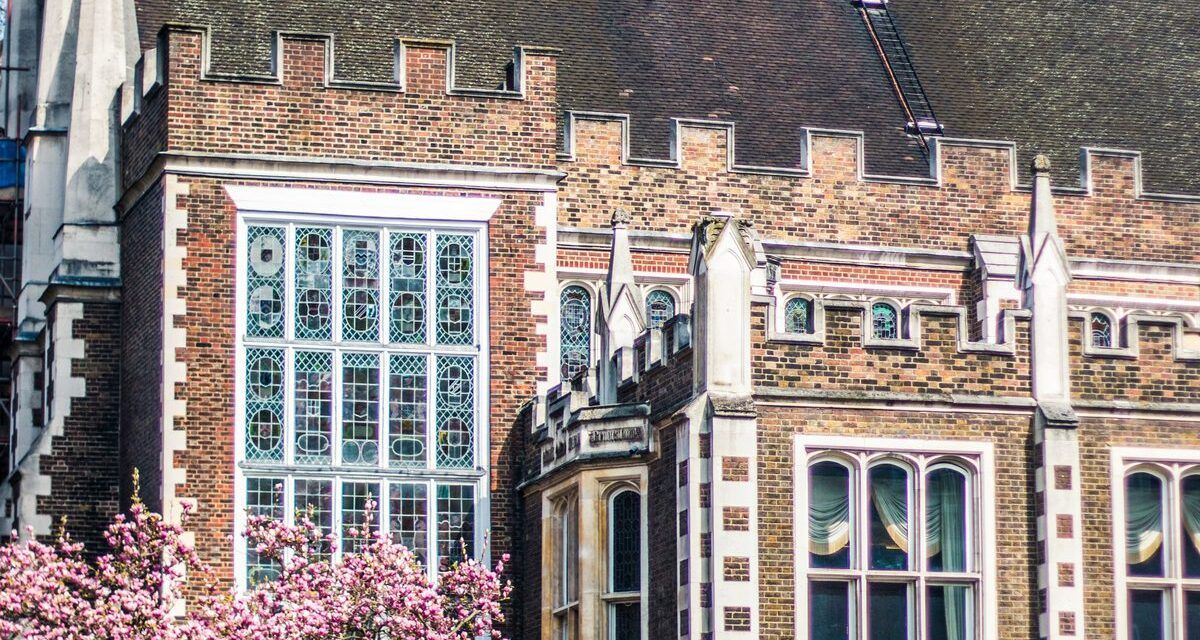
Step into Middle Temple’s Elizabethan double hammerbeam Hall and walk to its centre. Pause, and look upwards. High above, where the light gathers beneath the lantern, the Lamb and Flag comes into view. It is poised within the octagonal cupola, silently guarding the space below. Also known as the Agnus Dei, or Lamb of God, it presides over the rhythms of daily life in the Hall: dinners and debates, celebrations and ceremonies, footsteps echoing across the floor just as they have for centuries. More than an ornament, the Lamb and Flag is a symbol of continuity under pressure, watching over a Hall that remains very much alive, shaped by history yet still in constant use.
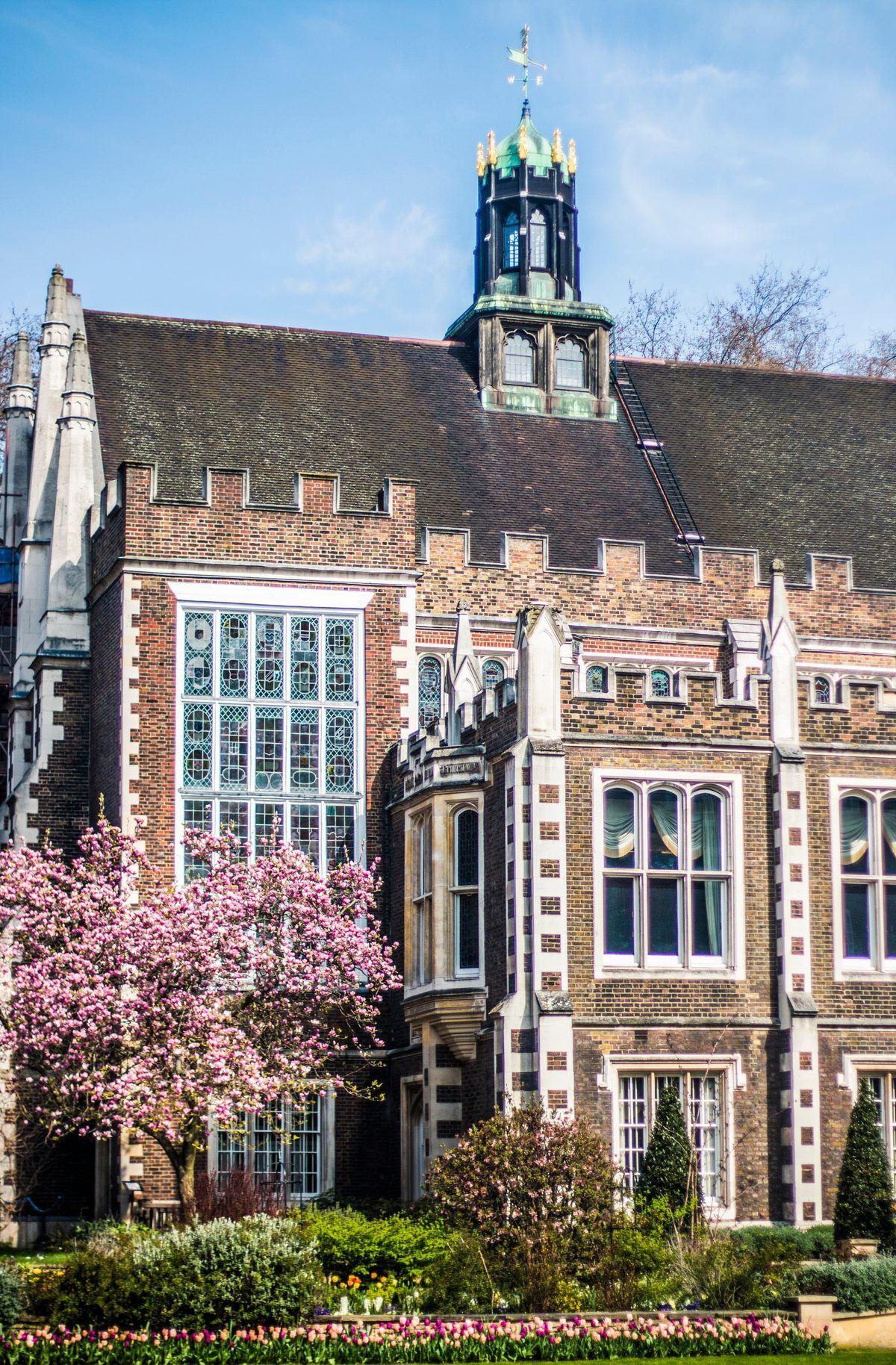
Middle Temple Hall itself is one of the most important ceremonial spaces of the Inn and a building of exceptional national and international significance. Grade I listed and situated in the heart of London, it is both a masterpiece of historic architecture and a living record of more than eight centuries of legal, cultural and social history. Its story stretches from the 12th Century, when the land was first occupied by the Knights Templar, through to the Inn’s modern international membership.
The story of the Hall can be read quite literally through its roof. When the Hall was completed in 1573, a central floor hearth provided heat, with smoke and heat rising through an opening above, protected only by louvres. As building technology evolved and timberwork weathered, that opening was adapted and renewed. A lantern, or cupola, was installed in 1732, replaced again in 1745, and rebuilt in 1826 during major reroofing works, when the original clay tiles were replaced with Welsh slate. Further alterations followed, including the removal of the central hearth in 1830 and yet another replacement of the cupola in 1924.
Tragically, the cupola was destroyed by enemy action in 1944 during the Second World War. Its replacement came in 1947 as part of the post-war restoration of the Hall, when the current octagonal cupola was constructed and clay tiles reinstated. It was at this moment of renewal that the Lamb and Flag took its present form, installed as part of the rebuilding and asserting the Inn’s resilience and enduring identity.
The Lamb and Flag has long been associated with Middle Temple. The symbol derives from the Knights Templar, who occupied the Temple lands and used the Agnus Dei as one of their devices. Its adoption by the Inn is documented as early as 1615, when Sir George Buc, Master of the Revels to James I, argued for retaining the ‘ancient devises and armes of the olde Templers’. The earliest surviving archival evidence of its use by Middle Temple dates from 1630, in records of the heraldic glass of the Hall itself.
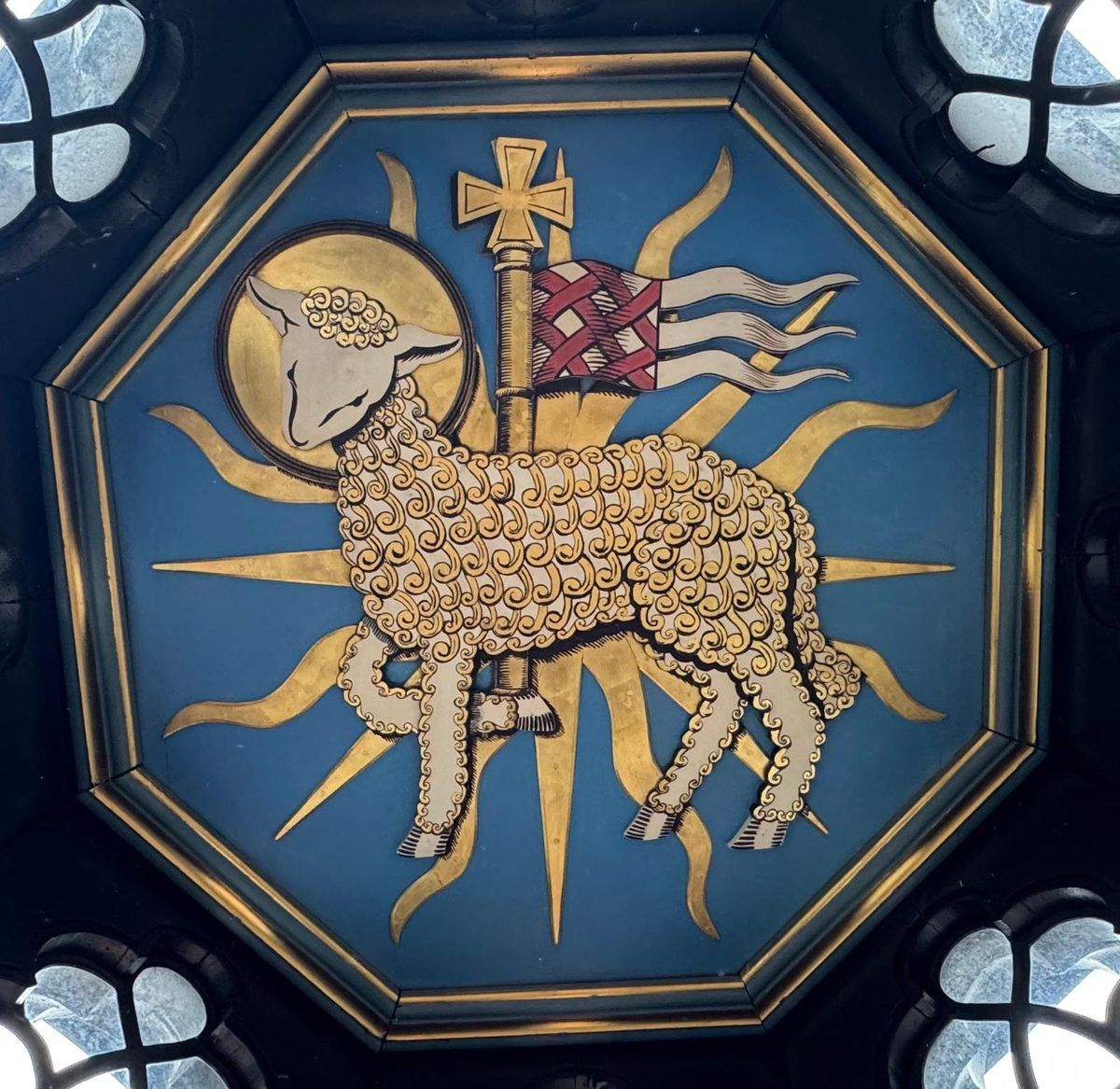
Recently, the Lamb and Flag ceiling painting beneath the cupola underwent careful conservation. Inspection by Chroma Conservation revealed that the paintwork was heavily soiled and required cleaning before repairs to the surrounding woodwork could be undertaken. The conservation treatment included re-gilding the double-gilded cornice mouldings, restoring the damaged and discoloured curls of the Lamb’s fleece, and retouching areas of paint loss to achieve a sympathetic and unified appearance. Detailed paint analysis informed the work, ensuring that historically appropriate materials and methods were used.
This important conservation project was made possible through a generous grant from the Golden Bottle Trust, awarded to the Middle Temple Charity, the fundraising arm of the Inn. Established in 1985 by the partners of C Hoare & Co to further the philanthropic aims of the Hoare family, the Golden Bottle Trust embodies a long-standing tradition of giving. Last year, the trust became a giving fund within the bank’s donor-advised fund (DAF), The Master Charitable Trust, streamlining governance for the family. Each year, up to 10% of the bank’s profits are donated to the trust, enabling it to support a wide range of charitable causes in the UK and beyond.
About the Master Charitable Trust
C Hoare & Co founded the Master Charitable Trust in 2011 to offer individuals, corporates or families a simple, effective and tax-efficient vehicle for their philanthropy. A DAF is an alternative to standalone foundations or charitable trusts, allowing customers to focus on causes that they care about without the burden of administration. The Master Charitable Trust can support those without a charitable structure in place, or those with existing foundations who would like fold their charities into the trust, to benefit from the strong governance and administration of the DAF.

Socorro Torres-Duarte leads Middle Temple’s fundraising activity in support of the Middle Temple Charity (MTC). Including, advancing MTC’s objectives across education and access to the Bar, the promotion of the rule of law, the advancement of diversity in legal services, and the preservation and conservation of the Middle Temple Inn and its historic estate.