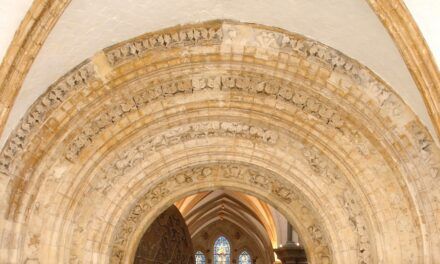
Step into the Middle Temple Library and you’re stepping into centuries of learning, debate, and professional life. It is not just a working library for today’s members, it is also the keeper of a remarkable historical record: books and manuscripts that have travelled through time alongside the Inn itself, shaped by changing ideas and generations of readers.
The library’s roots reach back to the 15th Century, but it was re-founded in 1641 after its early books were ‘stolen’, thanks to Robert Ashley’s bequest of about 6,000 volumes. Rebuilt many times since, it has continually adapted to changing needs while keeping the same purpose: to safeguard knowledge and make it available.
What makes a rare book ‘rare’?
The library holds over 9,000 books printed before 1850, and 300 manuscripts. A rare book isn’t just old: rarity depends on factors such as scarcity, edition, uniqueness, historical importance, and the survival of original features like bindings, marginal notes, maps, and/or plates. Some are rare because few were printed; others because time, conflict, and damage have reduced what survives.
Rare books matter because they are primary sources. They can tell us how ideas travelled, how people read, how the book trade worked, and how institutions like Middle Temple built intellectual life over the centuries. Books produced prior to 1850 are surprisingly robust, but they can also be fragile: bindings dry and crack; sewing can loosen; boards can detach; iron gall ink used to make notes in a book can damage the paper. Over-handling can accelerate damage to a book, particularly when it is already unstable.
That is why conservation is so important. Conservation is not about making a historic book look ‘new’. It is about stabilising, protecting, and supporting future use so that scholars, members, and visitors can engage with these volumes safely, and so that the physical evidence they contain is not lost.
Examples of rare books currently being conserved
The Middle Temple Rare Books and Manuscript Collection is a cornerstone of the library’s heritage, and preserving it calls for specialist skill and patient, meticulous work. Two volumes currently undergoing conservation offer a vivid glimpse of what this care protects. Each volume has its own story, and each revealing the unique detail that makes rare books so powerful to encounter in person.
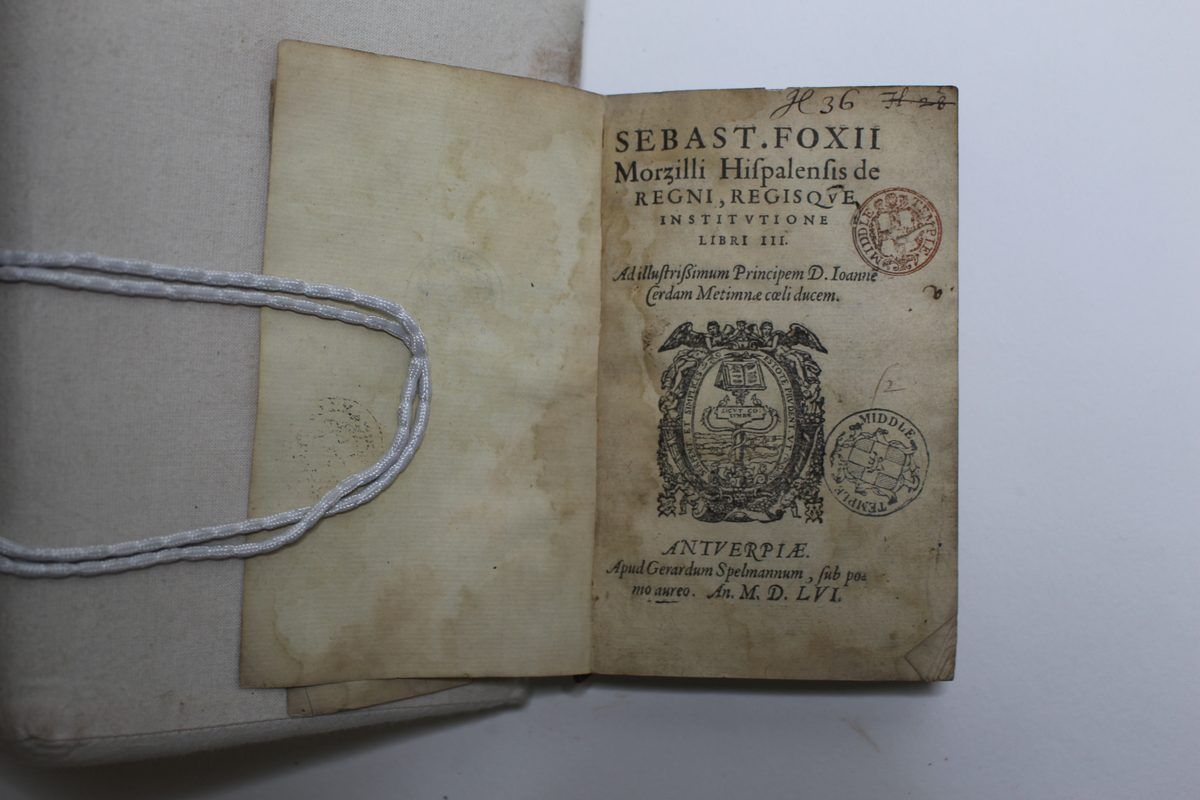
The first volume is a book made up of two separate works that have been bound together; the technical term for such a volume is a sammelband. This sammelband contains two works from Sebastián Fox Morcillo, De historiæ institutione, dialogus (1557), and De regni, regisque institutione libri III (1556).
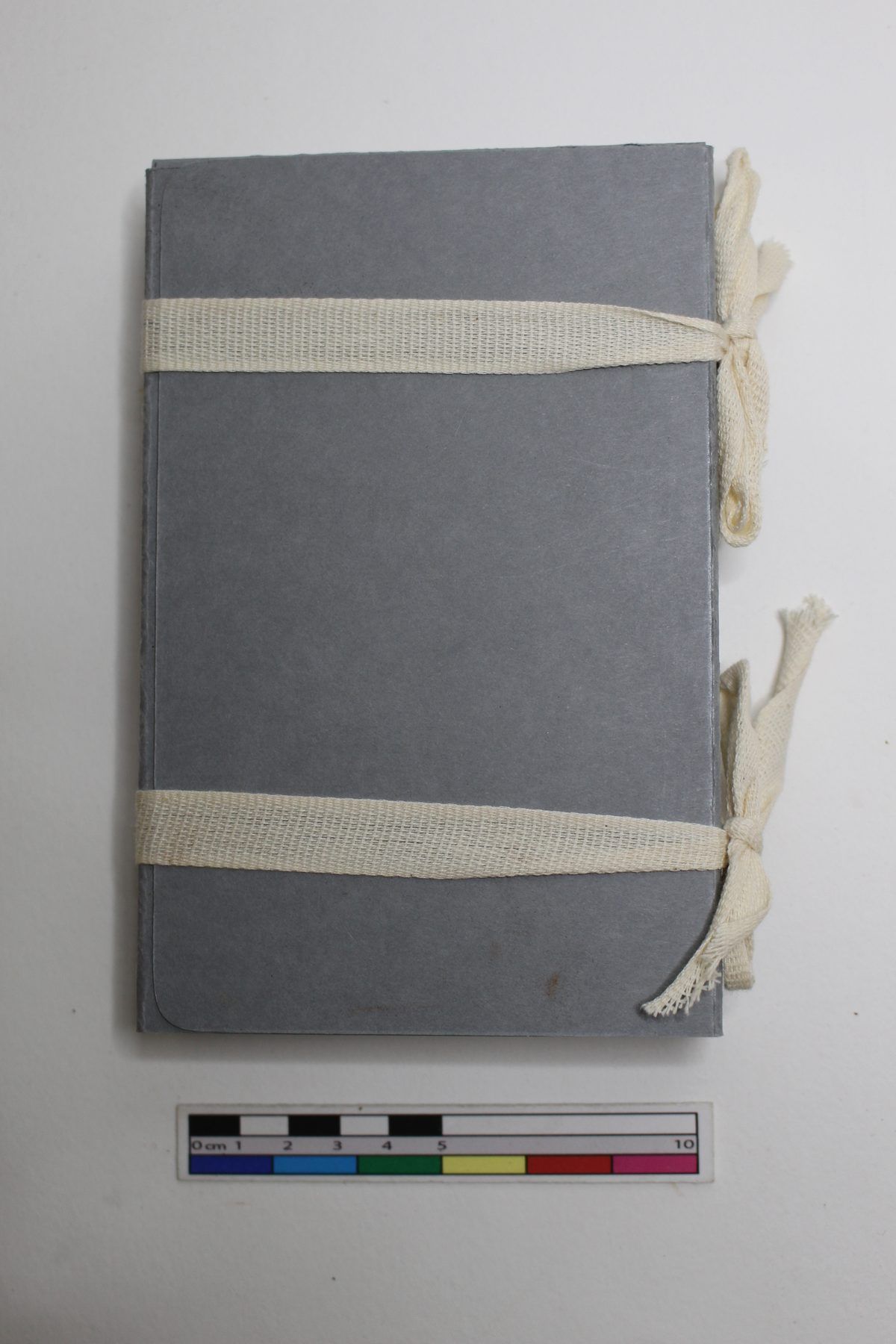
This sammelband is important to the collection due to Fox Morcillo’s role as a leading Spanish humanist, who published extensively during the 16th Century. Robert Ashley translated another of his works, De honore, into English as ‘Of Honour’.
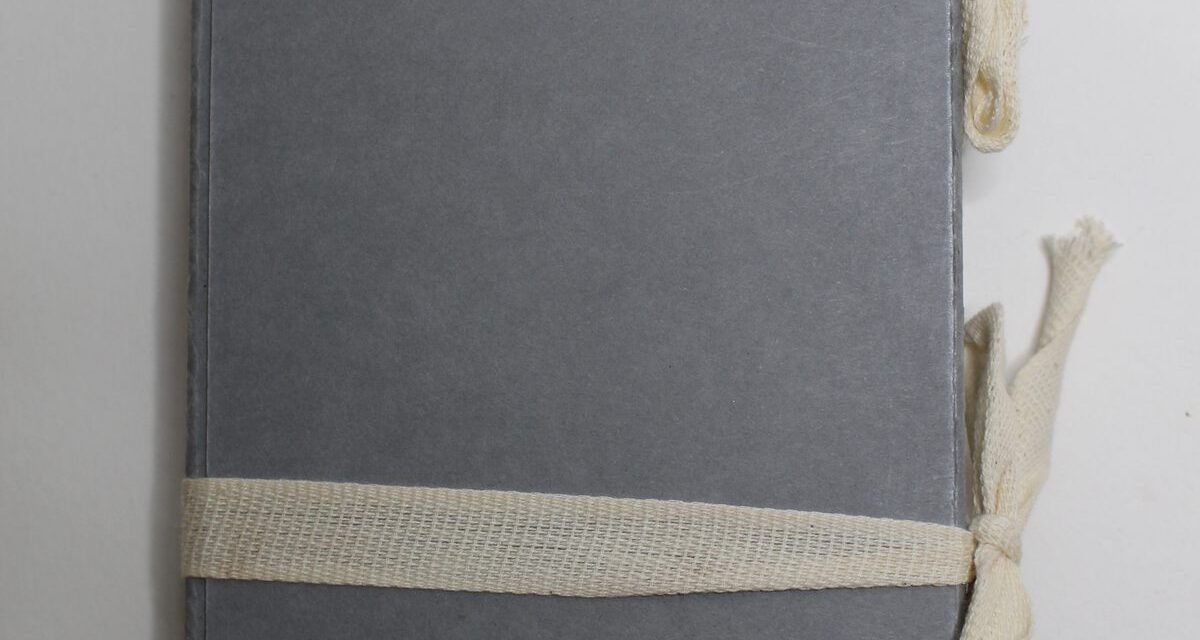
The binding is completely missing from this book, which means that the textblock is vulnerable, and the paper has become dirty and torn. There is heavy surface dirt throughout.
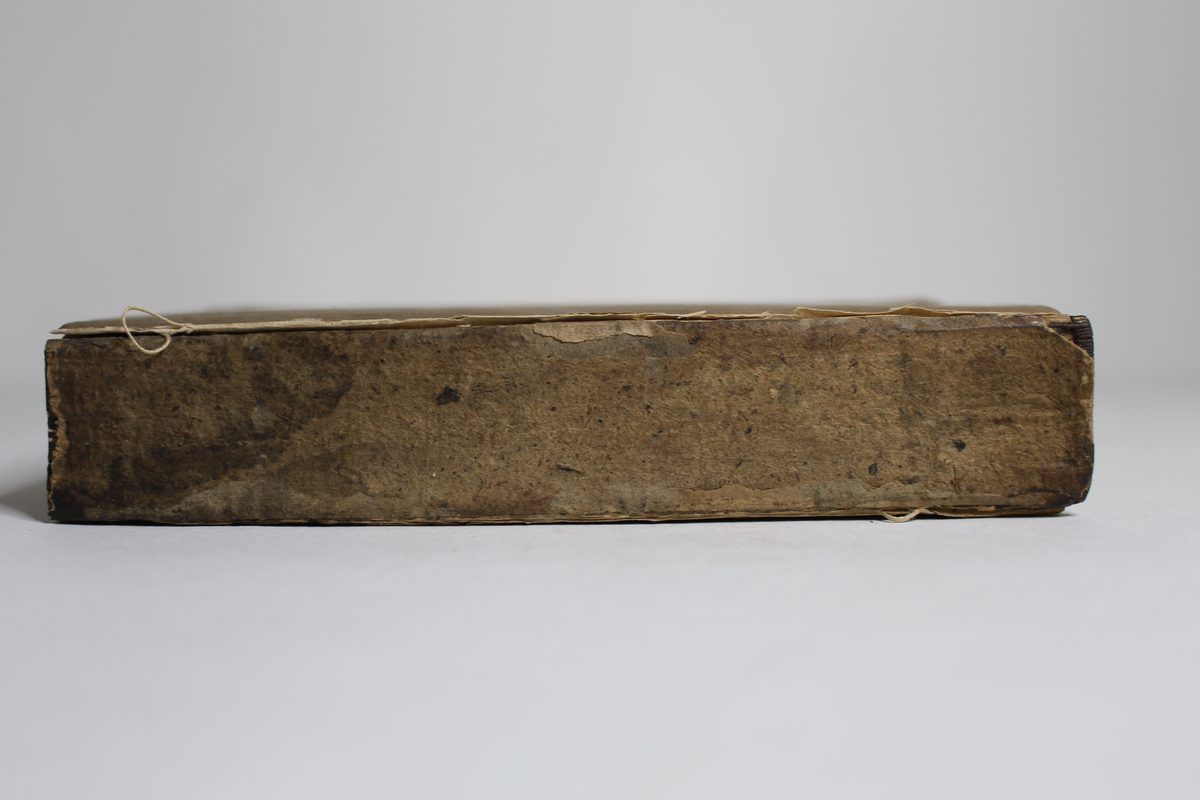
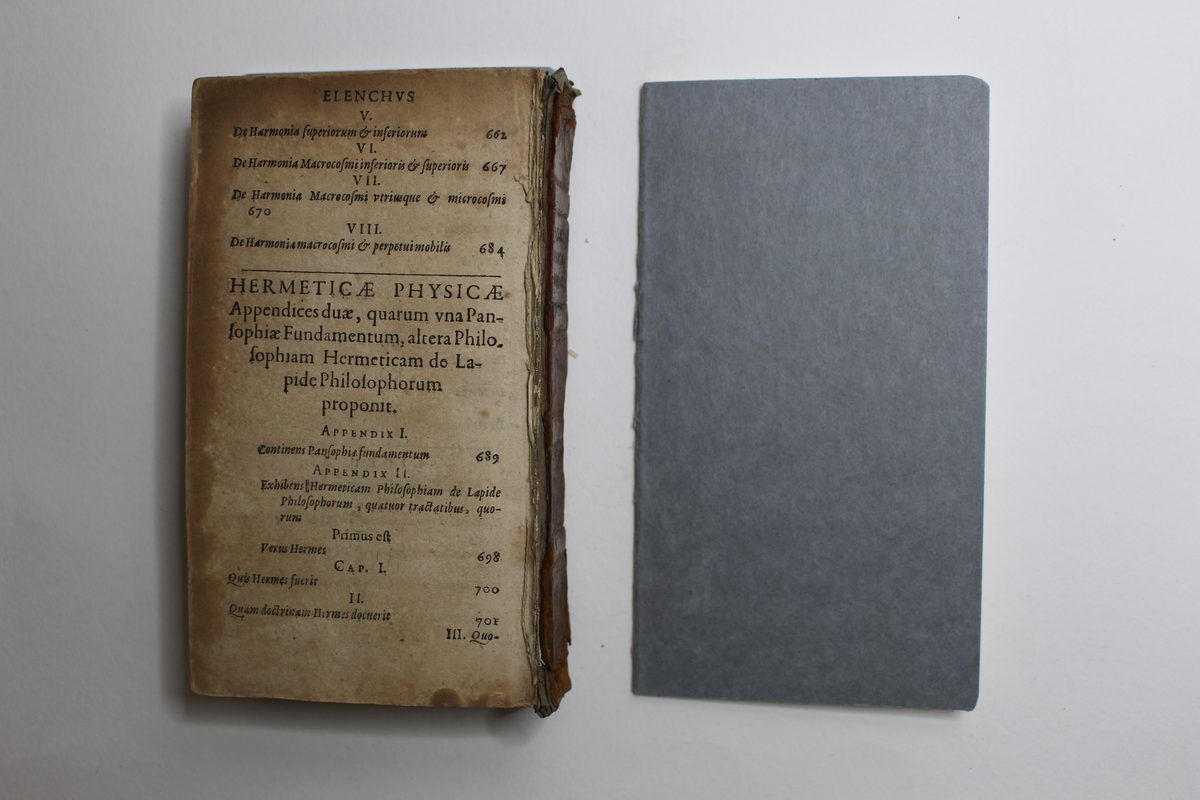
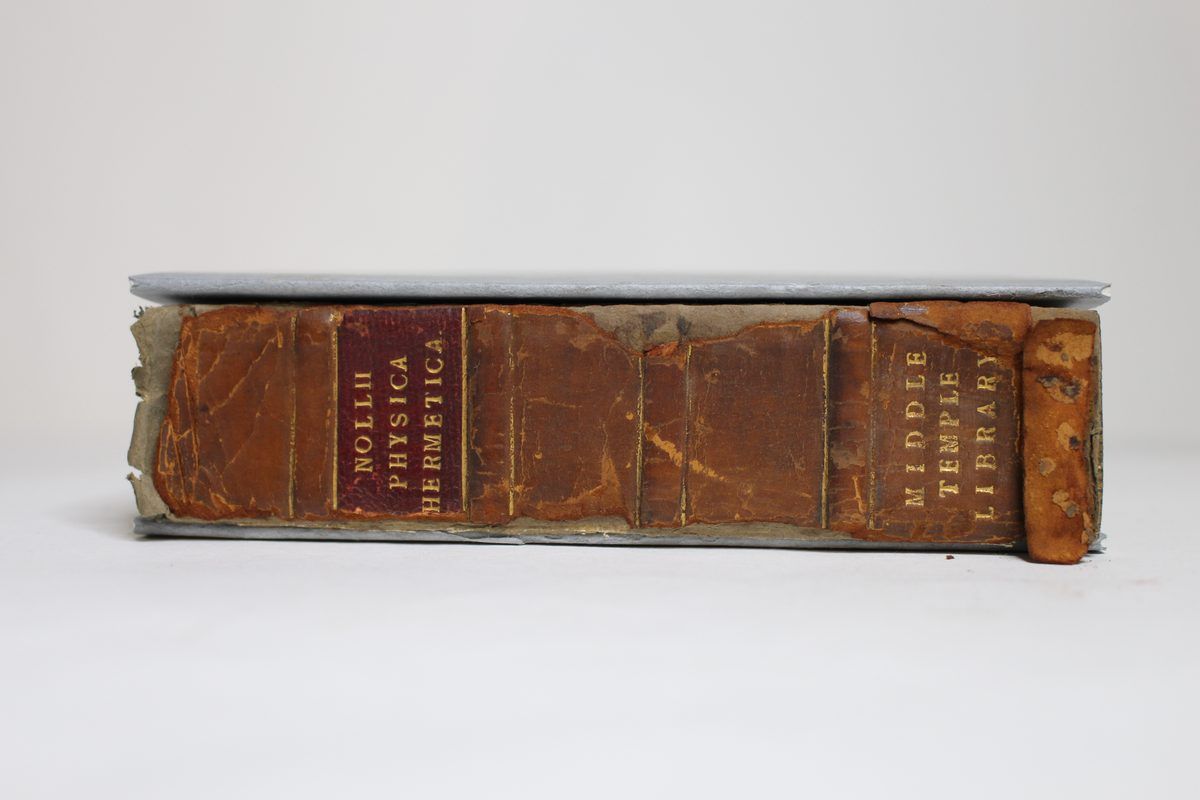
The second volume, Heinrich Nolle’s Naturæ sanctuarium: quod est, physica hermetica was printed in Frankfurt in 1619. This work of early philosophy/natural inquiry contains marginal notes in Robert Ashley’s hand, providing an intimate connection between the founder of the library and the book itself.
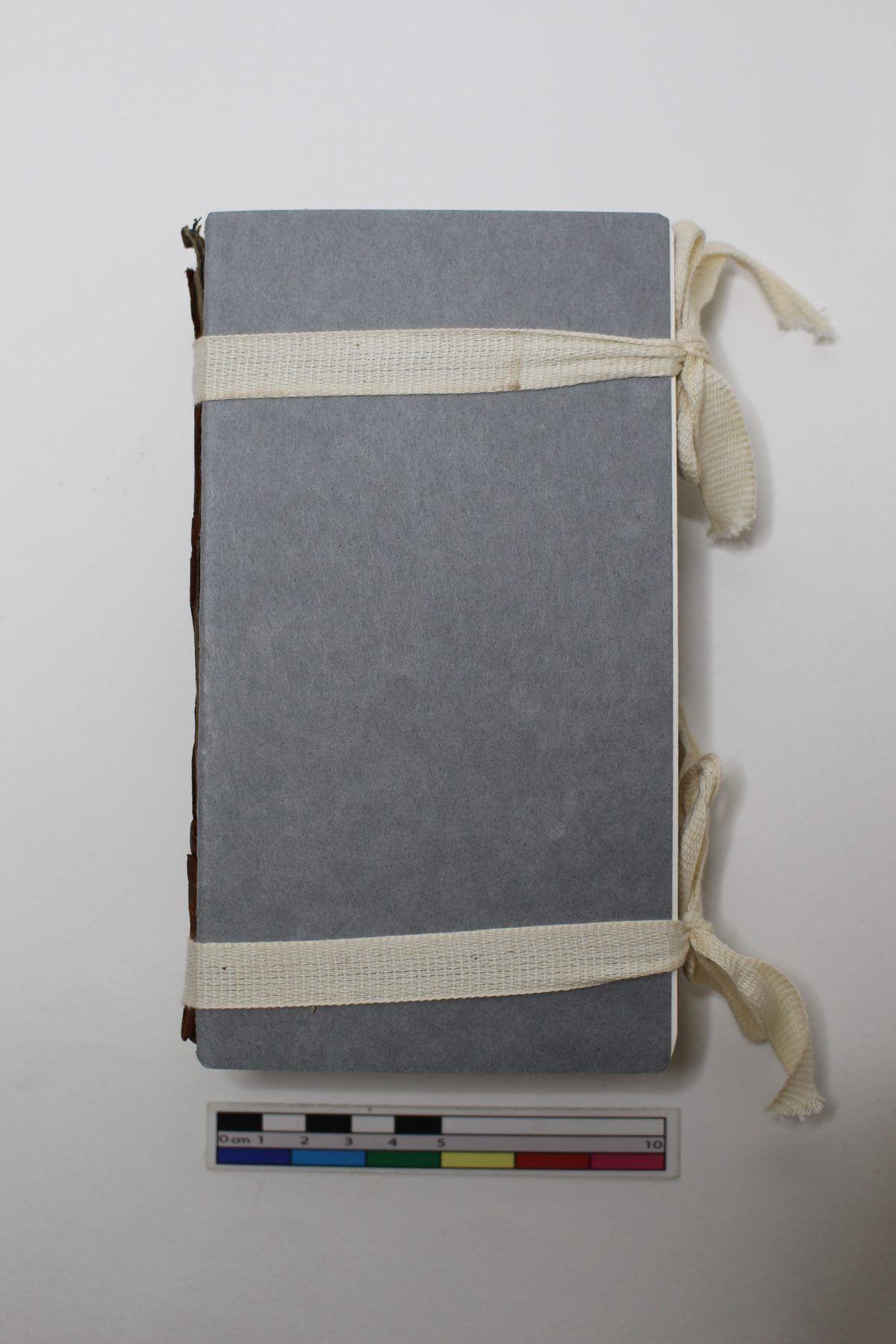
Marginalia can transform a book from a ‘copy’ into evidence of lived reading, showing what captured the reader’s attention, what they questioned, and how they engaged with the text. As with other books in the collection that show evidence of Ashley’s reading and note-making, Nolle’s book provides us with a direct trace of Middle Temple’s collecting history.
Early modern marginalia such as that found in Ashley’s Nolle were written using iron gall ink, which, if it gets wet, becomes corrosive and ‘eats’ through the paper. Thus, conservation must be carefully carried out to ensure that the ink does not get wet, while also cleaning the book of its surface dirt, which will itself corrode the paper over time.
Conservation is a careful craft
To undertake this work, Middle Temple commissioned Ann-Marie Miller, an independent, accredited book conservator. Her approach is pragmatic, sensitive, and rooted in respect for what the books already are.
When a volume arrives at Ann-Marie’s studio, she starts by gathering accurate bibliographic information and learning how the library needs to use it: whether for handling, reading, or digitisation. She then examines the book closely, describing each part and its condition. ‘Conservation doesn’t seek to restore the past’, she explains. ‘It aims to preserve historic bindings and make them function.’ That ‘function’ can vary: a book intended for regular consultation may need different treatment from one being prepared for imaging or display.
She emphasises that books are engineered objects designed to move. When structures fail, the causes are often intertwined: how the book was made, what materials were used, how it has been handled, and where it has been stored. The conservator’s job is to ‘unpick’ those factors and propose the lightest, most effective treatment, making the most of the existing structure.
What has stood out in the Middle Temple volumes
Working on books from Robert Ashley’s collection is a particular privilege. Ann-Marie highlights the quality of the typography and the ‘excellent handmade paper’ used in many of the volumes, along with Ashley’s own inscriptions and notes he made in the books. Occasionally, the condition of a book means a new sympathetic binding is needed. That can involve preserving later sewing structures alongside earlier text blocks, which balances the history of the text with the history of the binding.
How conservators decide what to repair
For Ann-Marie, the key is reading the binding as evidence. Previous repairs matter; they signal how a book has been valued and used across time. Conservation decisions require deep knowledge of historic binding methods, materials, and how they degrade chemically, so that intervention supports, rather than overwrites, the book’s story.
The moment a book ‘turns a corner’
There is, she says, a distinctive point in a project when the book becomes itself again: when pages can be handled safely and the structure starts to support its own movement. It may be achieved through new spine linings to support weakened sewing, or by attaching new boards. ‘It’s the moment when the parts of the book begin to “talk to one another” again.’
Ann-Marie describes conservation as a rare privilege; ‘to handle history on a daily basis’ and help librarians and curators tell the story of the past. These volumes ’embody our history’ in a uniquely physical way, touched and used by earlier hands. But this work is time-intensive: repairing a single book can take Ann-Marie around 8–20 hours of skilled, hands-on treatment. Investment in conservation, she argues, is what gives collections ‘new life’: keeping them meaningful, usable, and interpretable now and in the future.
The Middle Temple community safeguards the knowledge for the future
Conservation is skilled work and it is only possible with committed support. Thanks to the generosity shown through the Middle Temple Charity and the Treasurer’s Reception, over £10,000 has been raised to help protect items from Middle Temple’s Rare Books and Manuscript Collection.
Every donation supports something tangible: a loosened board reattached, a binding stabilised, a tear repaired, and fragile pages made safe to turn. This ensures books collected since 1641 remain available not only as historical artefacts, but as living tools for learning and interpretation.
Thank you to every donor who contributed. Your support is helping to ensure that Middle Temple’s rare books and manuscripts, so central to the Inn’s history and identity, can be safely read, studied, and appreciated for generations.
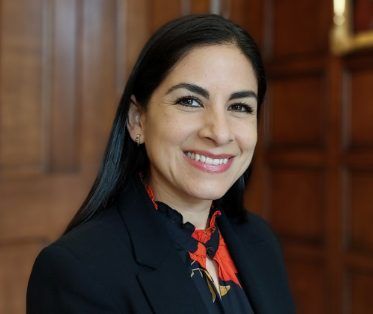
Socorro Torres-Duarte leads Middle Temple’s fundraising activity in support of the Middle Temple Charity (MTC). Including, advancing MTC’s objectives across education and access to the Bar, the promotion of the rule of law, the advancement of diversity in legal services, and the preservation and conservation of the Middle Temple Inn and its historic estate.

Renae Satterley is Head of the Library at Middle Temple and celebrated her 20th year at the Inn earlier this year. She completed her PhD at Queen Mary, University of London in 2024. Her thesis focused on Robert Ashley’s founding bequest to the library, which makes up the majority of the early printed book collection at the Inn.