‘So what on earth made you move from the law to the church?’ This is invariably the question I get hit with by lawyers and other professionals, and even by puzzled parishioners, whenever they find out I used to work in legal practice. Normally I reply that I’m atoning for my sins, and we leave it at that with a chuckle – but for those who are really interested, I am happy to relay the numerous unexpected turns and leaps of faith which led me to ordination, and the links between my legal and clerical vocations which have become increasingly apparent as I look back over the years. I hope this story might be of interest to you too.
That my vocation to ministry was first formed at El Vino on Fleet Street might seem an unlikely start to the story. It was the summer of 2012 and I had been working as a litigation paralegal (in effect, an underpaid solicitor) at a two-partner firm in Mile End since shortly after I was Called by Middle Temple in July 2009. Though pupillage remained elusive to me, I was enjoying running my own cases and putting my legal training to work; and as young lawyers on the make who had read too much Rumpole and Jeffrey Bernard, El Vino had become a regular haunt for me and a couple of friends. More of this in a moment.
At that time, I was also enthusiastically reconnecting with my Christian faith. I had grown up in a small Church of Ireland parish in rural Ulster, and as an organist and singer had developed a deep love of sacred music and liturgy through my teenage years; but a difficult start at Oxford in 2004 – combined with the more pressing concerns of undergraduate life – pushed my childhood faith beyond its endurance. So many college chapels offering the most sublime experience every day, and I turned my back on all of them! It was Choral Mattins at the Temple Church which marked my first tentative steps back to Sunday churchgoing – the liturgy and the music, the readings and the preaching refreshing my thirsty Anglican heart and slowly getting under my skin.
Having rejected God at Oxford as a pious and not particularly helpful fiction, my return to the worship and common prayer of the church as a young adult brought me to consider the Christian story in a new light. Here, finally, was the faith I’d been grasping for as a teenager, which took full account of the visceral realities of life yet still found real cause for hope and loving action in the mystery of God. I quickly realised I’d been seeking this renewed relationship with God for a long time, and that there was much more I needed to learn: about theology, about Church history, about how ancient Christians had approached the battle with sin in our daily lives. By the summer of 2012 I was attending a parish church in Clapham, occasionally playing the organ and generally enjoying being part of a local church community; but I still had no inkling that my path would lead me to ordination and parish ministry. My faith was giving me fresh energy and direction, but it was as a lay Christian and a lawyer that I believed I would best serve God in my life. Well, as my Jewish wife likes to remind me, ‘Man plans, and God laughs’, and God had a few more jokes in store for me yet.
Which brings us back to El Vino. There I was, probably ordering the next bottle of Saint-Bris while being regaled with yet another legal tale from the trenches, when a vision in black burst into the bar. I can’t recall now what event he was coming from, but he and his small group of followers were clearly in want of refreshment and had decided El Vino was the place for it. It’s not every day you meet a 6ft 4in tall clergyman in an immaculate black suit and two-inch collar; less still you see them march to the bar and order a magnum of champagne. In that moment, I knew I needed to make friends with this man.
He was (and still is) a parish priest in East London, and we hit it off immediately. Over subsequent months we would meet often for drinks or dinner and among wide-ranging conversations I would pick his brains about the knottier questions my rediscovery of Christianity was bringing up. Then, in early December 2012, the fateful moment: a pause in conversation, followed by a look which pierced me right to my core as he said, ‘Sam, the questions you have, the way you approach them; you’re going to be a priest someday.’ Taken aback, I responded as you might expect: I laughed in his face and solemnly proclaimed that ordination was definitely not the path God was leading me down.
He didn’t press any further and we continued with the evening, but the thought lingered and scratched at the back of my mind. By early 2013 I’d left my job in Mile End for a role at the Office of Fair Trading, later the Competition and Markets Authority (CMA) – my plan now was to acquire some experience and contacts in competition and regulatory law before cross-qualifying into a more secure and lucrative career at a City firm. Yet every so often, it would bubble back up: ‘you’re going to be a priest someday.’ I told myself I wouldn’t let it distract me, that I would know if it got too loud to ignore – even as my conversations with my friend increasingly focussed on the nature of priesthood and ministry in the Church of England.
One day in March 2014 my heart finally caught up with God. I was at my desk at the CMA writing up a report, when I was shook by what I can only describe as a thunderbolt feeling, both external but also coming from deep within me: ‘Now Is The Time.’ I knew in that moment exactly what it meant: that I was going to take a break from legal work to immerse myself in some sort of ministry setting and test just how real this calling to priesthood was. Through my friend I found a scheme being piloted by three parishes in the West Midlands, working at one church while living with my fellow pastoral assistants from the other two. I knew nobody in that part of the country, but by now I was fully open to the journey God seemed to be leading me on and, having been accepted onto the scheme, I handed in my notice, put most of my belongings into storage and prepared to move to the outskirts of Wolverhampton in September 2014. As I was leaving the CMA I told my team lead to expect a knock on her door in 12 months if things didn’t work out, but as the weeks and months went on in my new parish, it become increasingly clear that wasn’t going to happen.
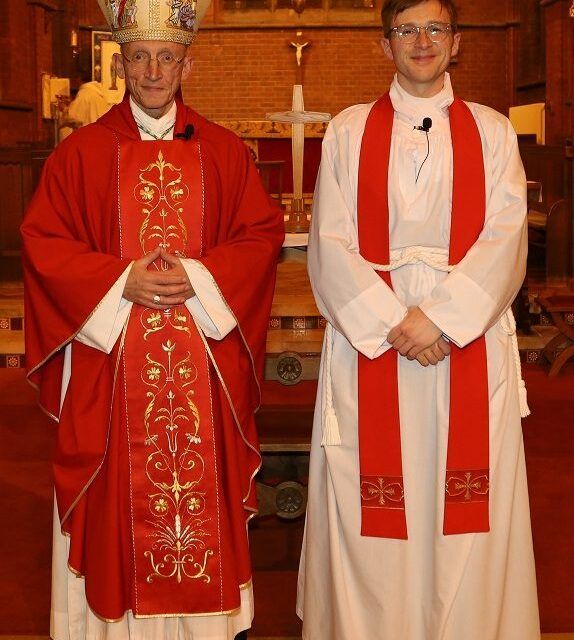
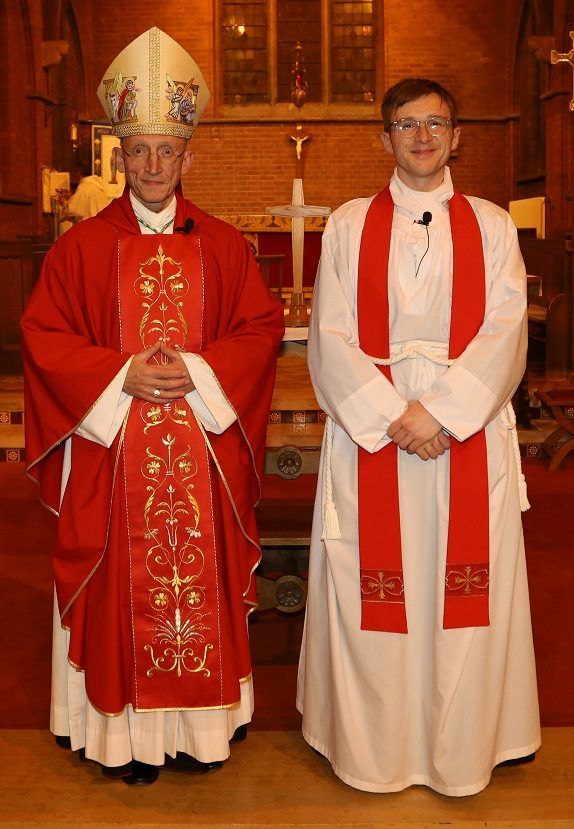
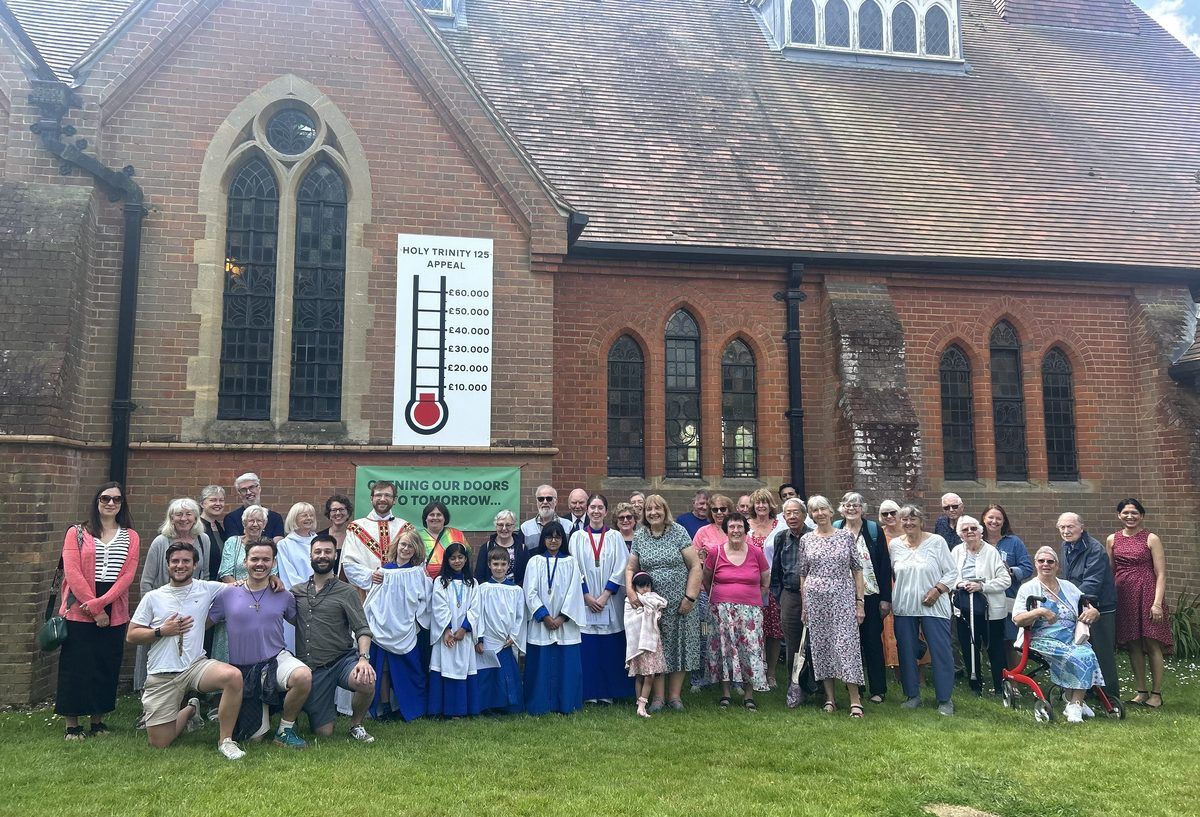
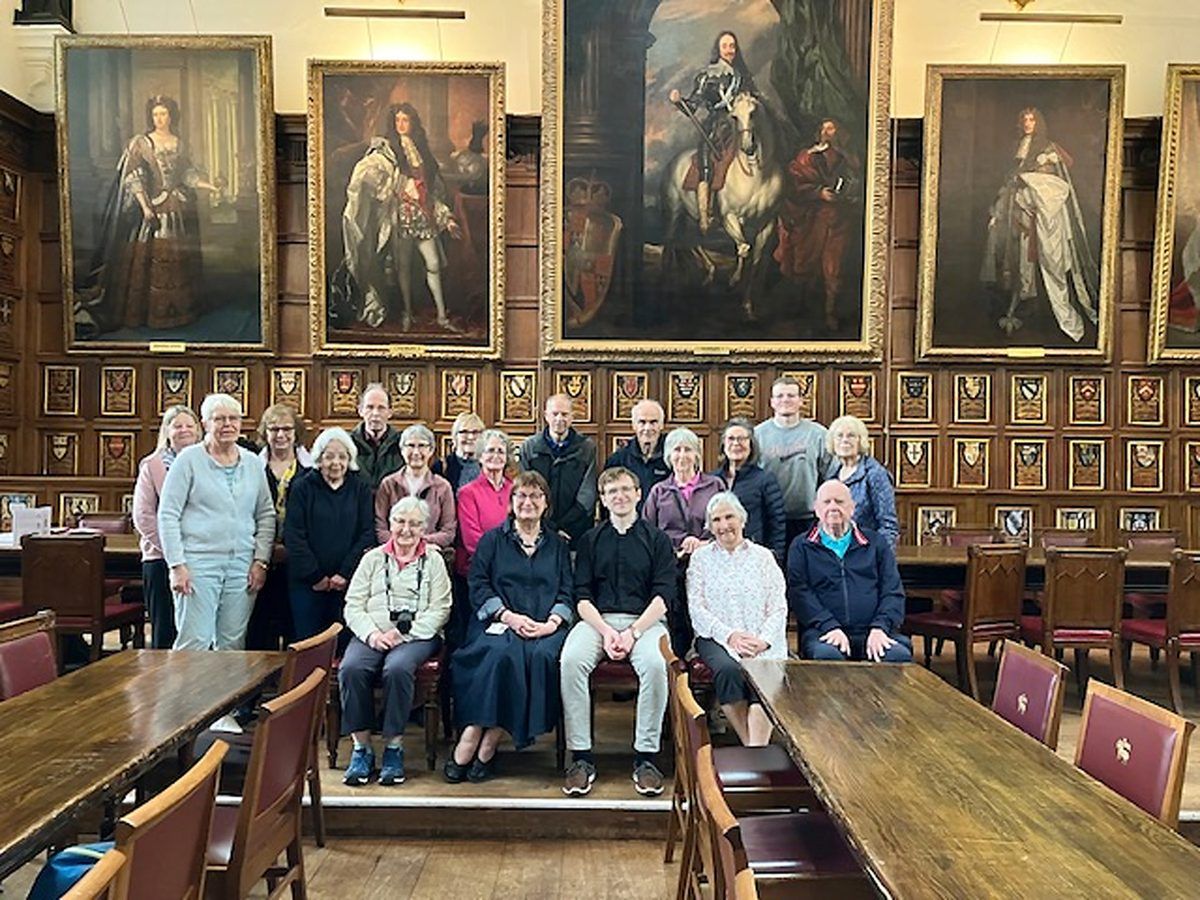
And what more can I say? For time would fail me (and the editors’ good humour) to share every detail of what happened next: of my return to Oxford as a chaplaincy intern; my two years in residential training at St Stephen’s House; my fight for the right curacy and last-minute move from Oxford to Essex; my ordination in September 2019 with an early ministry dominated by the Covid-19 pandemic; the breakdown of my marriage during curacy and my eventual return to the world of dating as a priest (Fleabag did me a lot of favours here); my arrival in Horsham to be vicar of Holy Trinity as a single man, now a husband and father less than four years later. When I was Called to the Bar in Middle Temple Hall one July afternoon 17 years ago, I never could have envisaged the personal and spiritual odyssey that awaited me; yet contemplating it now, it has always been a journey to who and where I am meant to be.
Granted, I haven’t always found this insight so clear or certain – I wrestled plenty with God along the way over whether ordination and parish ministry are the right use of my time and talents, and whether my former ambitions for the Bar were wasted years. Yet in the time since my ordination, I have grown to realise how the things that first drew me to the Bar play a central part in my ministry today: the people and their stories, their need for answers and a way forward, and my role as an expert guide and champion of their interests. As for my preaching, it is here where everything I love about advocacy has found its proper outlet – for what is a sermon if not a piece of advocacy for the truth and importance of the Christian gospel, grounded in the biblical text and our knowledge of human nature? Even on a practical level, my legal knowledge and professional experience form an inseparable part of my ministry as I navigate the intricacies and pitfalls of leading a small local charity which also happens to be an outpost of the nation’s established church.
And being the Church of England, I have been able to find some more direct outlets for my legal and advocacy skills. During the first Covid-19 lockdown I served as secretary and researcher to a working group convened by the Ecclesiastical Law Society (ELS) to develop proposals for replacing the Clergy Discipline Measure, at a time of growing controversy around the handling of misconduct and complaints against clergy in the C of E. Through this work I learnt about unionized clergy and the Faith Workers Branch of Unite, and soon signed up as a branch representative to support clergy and faith workers in disputes with their diocese and other times of professional crisis. In 2022 I was elected Chair of the Church of England Employee and Clergy Advocates (CEECA) – the C of E group within the Faith Workers Branch – and led the national campaign for improved clergy stipends, which developed into a broader platform to rebuild clergy wellbeing and frontline ministry across the church. I was even elected to General Synod in 2021 on the back of my union activities, where I threw myself into the debates and legislative business and the political wrangling behind the scenes. It’s another well-trodden path, the barrister turned parliamentarian, after all.
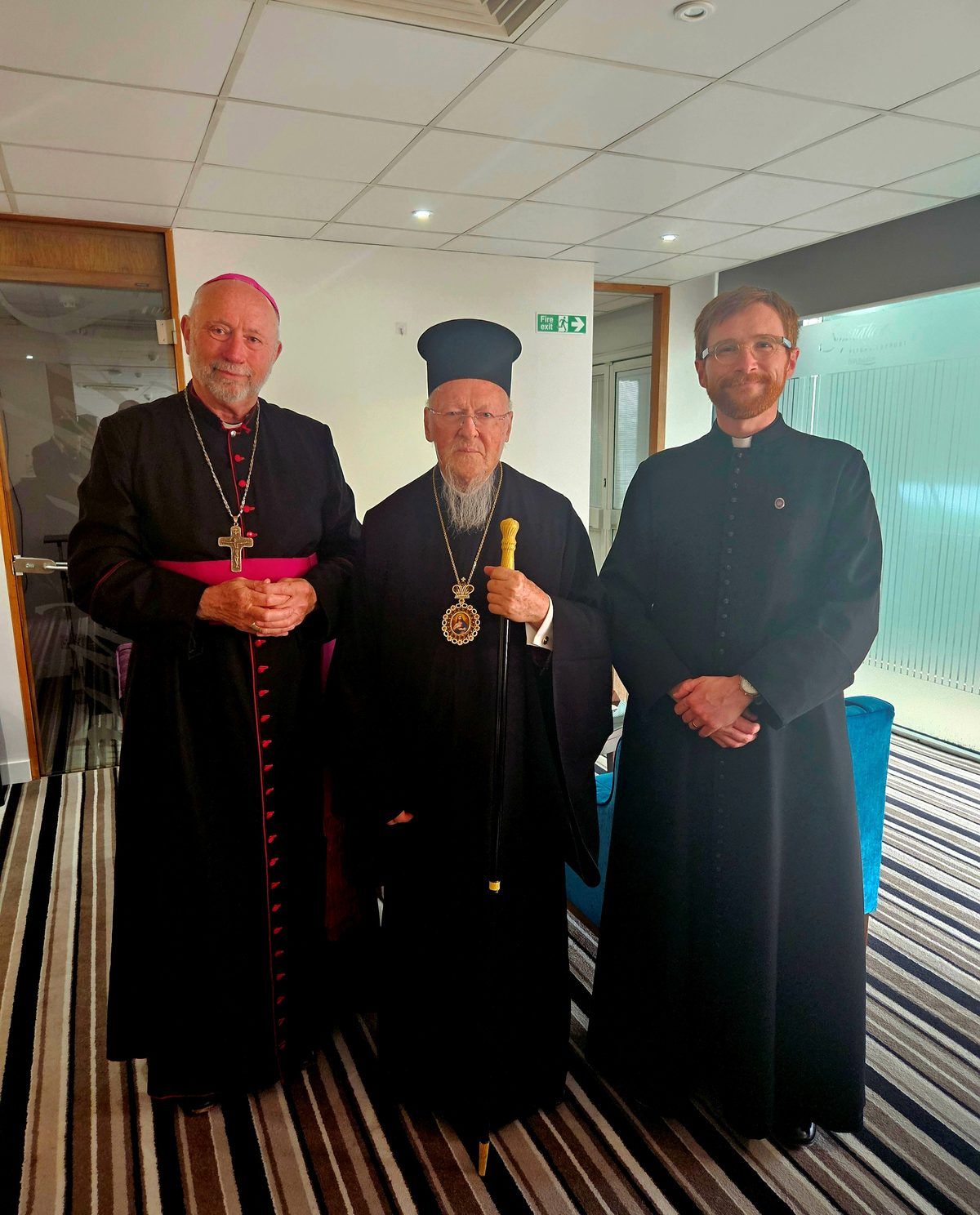
Though I had to vacate my synod seat when I moved dioceses for my current role, I continued to coordinate our union presence at synod and to meet with senior church figures between synod sessions; and since coming to the Diocese of Chichester I have been putting all this experience to work at a local level, as a member of the diocesan synod and several diocesan advisory committees. I am also currently in my second term as a trustee of the ELS and was privileged last year to lead the planning of a landmark ecumenical conference considering the legacy of the First Council of Nicaea 1,700 years previously, with the Patriarch of Constantinople as our keynote speaker. In many ways, that conference sums up my own sense of vocation – the legal, the doctrinal, the pastoral and the practical all coming together to explore the nature of God and the type of people and community Christians are called to be in the world.
Which brings me back to the question posed at the beginning of this article. I hope I have given a convincing account in response, and that my journey from the law to the church might now seem less of a dramatic shift. Parish ministry is as demanding as it is rewarding, and every priest brings to it their own strengths and awareness – for me, my years in legal study and practice are integral to this and to where my ministry could be leading next. I am sure it is the same for so many members of Middle Temple who have pursued professions other than the Bar, whether in religion, business, politics, journalism, entertainment, and the rest. For all I learnt through the Inn, the friendships and connections I made here, I am forever grateful; and I am proud to remain part of such a varied and dispersed community of people bringing the highest standards of the Bar into whatever contribution they make to society.
The Reverend Sam Maginnis
The Reverend Sam Maginnis is an Anglican priest, union activist and barrister. He holds law degrees from Oxford and UCL and was Called to the Bar by Middle Temple in 2009, where he served six years on Hall Committee. Ordained in 2019, he is currently Team Vicar to three churches in Horsham, West Sussex.